Major review finds you’d need a jungle indoors to purify air, but plants still make you feel better
02/25/2026 / By Cassie B.
- A new scientific review finds indoor plants offer minimal real-world air purification.
- Their most reliable benefits are psychological, improving comfort and reducing stress.
- People report feeling cooler and less stressed in rooms with plants despite no measurable change.
- To match a building’s ventilation, an impractical number of plants would be required.
- For tangible air quality improvements, dedicated air purification systems are more effective.
The promise of the potted peace lily or the spider plant has long been twofold: a touch of nature and a powerful purge of indoor air pollution. But what if one of those promises is mostly a myth? A sweeping new scientific review has dug into the data, revealing a surprising truth about our leafy companions. Published in the journal Building and Environment, the research concludes that while indoor plants deliver genuine benefits, the most reliable ones are psychological, transforming how a space feels rather than what it measures.
The international team, led by Professor Prashant Kumar of the University of Surrey, synthesized evidence from dozens of studies to answer pressing questions about indoor greening. With people spending roughly 90% of their lives inside, the quality of these environments is a major health concern. The wellness industry has long marketed plants as a natural air filter, but the science tells a more nuanced story.
The limits of leaf power
When it comes to physically cleaning the air, the review is clear: the effect is minimal in real-world settings. Researchers calculated that between 10 and 1,000 plants per square meter of floor space would be needed to rival the air exchange provided by a standard ventilation system. For the average living room, that translates to an indoor jungle, not a decorative shelf. While certain plants can absorb pollutants like nitrogen dioxide or volatile organic compounds in lab chambers, their impact is drowned out by normal ventilation in a home or office. Effects on temperature and humidity are also slight, typically a drop of 1 to 2 degrees Fahrenheit or a humidity rise of 2 to 5 percent.
This reality check matters because indoor air toxicity is a serious, modern problem. Energy-efficient buildings have sealed us in with a cocktail of off-gassed chemicals from furniture, paints, and building materials, alongside mold spores and particulates. Relying on a few houseplants to solve this is, according to the new science, a losing battle.
Why plants still make a room feel better
Here is where the data gets interesting. Multiple studies show that people in rooms with plants consistently report feeling more comfortable, cooler, and less stressed, even when instruments show no physical change in the environment. In one classroom study, students near plants reported feeling cooler despite identical temperatures. In offices, workers surrounded by greenery reported higher thermal comfort year-round. This persistent psychological benefit is attributed to biophilic response—humans’ innate connection to nature. Simply seeing plants can lower stress markers and improve mood, focus, and a sense of belonging.
This aligns with a pragmatic view of wellness: perception is powerful. A plant is an accessible, affordable step that makes people feel more in control of their environment, fostering a sense of well-being that has value in itself. “The psychological benefits are consistent across enough independent studies, climates, and building types to be taken seriously,” the review notes, especially for those with limited access to outdoor space.
When bigger systems deliver more
The review does highlight that more advanced, engineered systems like active living walls or hydroponic towers can yield stronger physical results. These systems, which move air through plant root zones, have been shown to reduce nearby temperatures by up to 8 degrees Fahrenheit and cut carbon dioxide concentrations significantly. However, the cost, complexity, and maintenance are substantial barriers for most. “Treating greening as environmental infrastructure, rather than decoration, as well as filling substantial research gaps in the topic area, will be key to unlocking its full potential,” Kumar explained.
So, where does this leave the average person who wants a healthier home? The science suggests tempering expectations about air purification but embracing the real comfort plants provide. For tangible air quality improvements, experts point to dedicated technologies. For example, proactive air purification systems that use technologies like photocatalytic oxidation to neutralize pollutants provide a more targeted engineering approach. Meanwhile, simple practices like using natural cleaning agents such as vinegar can reduce the toxic load indoors, making any supplemental purification more effective.
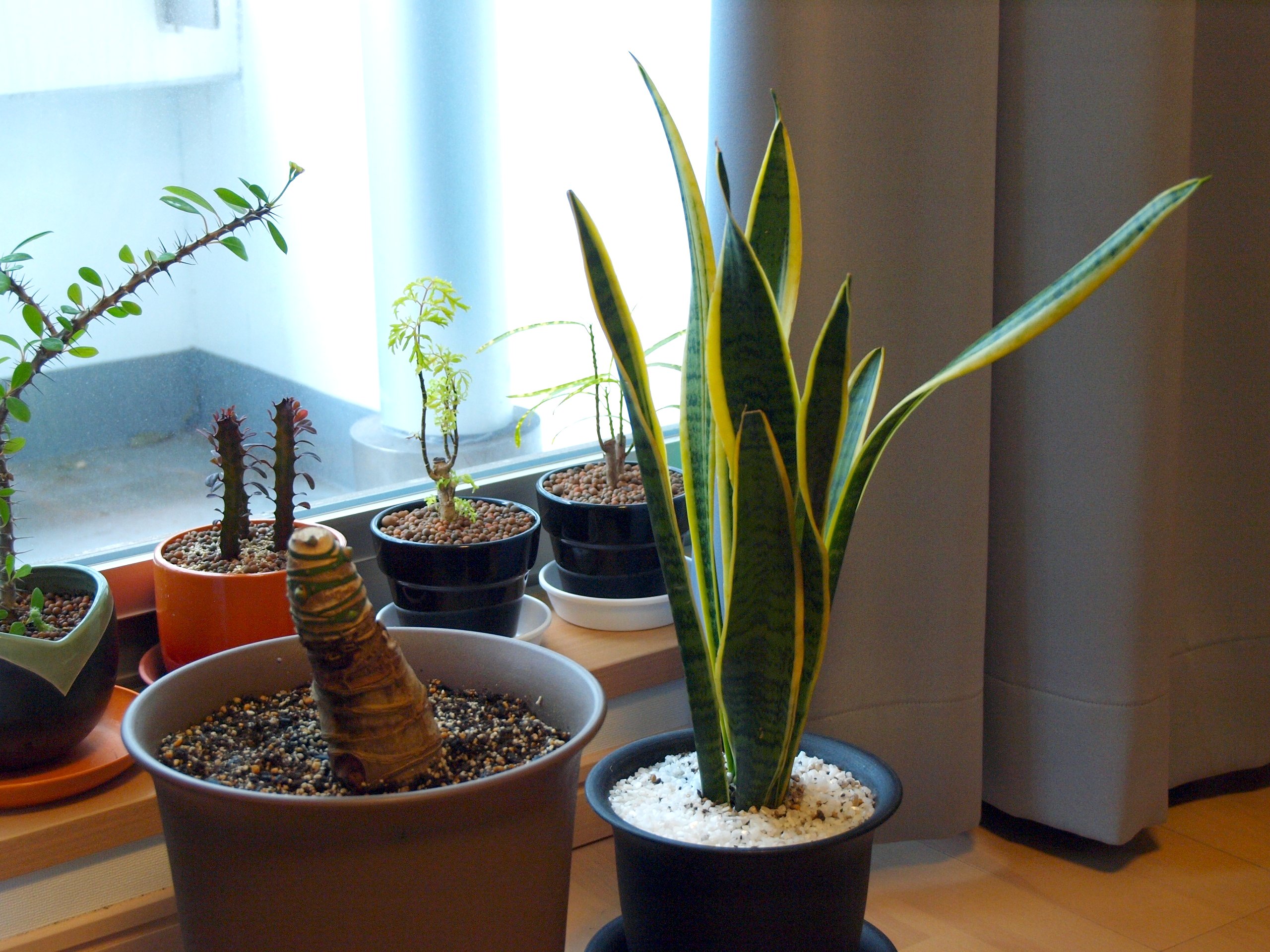
Ultimately, this research helps separate greenwashing from genuine benefit. Go ahead and buy that snake plant for your desk. It probably won’t scrub the formaldehyde from your new bookshelf, but it might just help you breathe a little easier in your mind, which is no small feat in our sealed-in modern world. The true power of a houseplant may not be in its leaves, but in our heads.
Sources for this article include:
Submit a correction >>
Tagged Under:
air quality, green living, health science, house plants, indoor plants, mental health, Mind, mind body science, natural health, natural medicine, Naturopathy, plant medicine, Plants
This article may contain statements that reflect the opinion of the author
RECENT NEWS & ARTICLES