From midnight agony to lasting relief: Ancient strategies confront a modern gout epidemic
01/03/2026 / By Willow Tohi
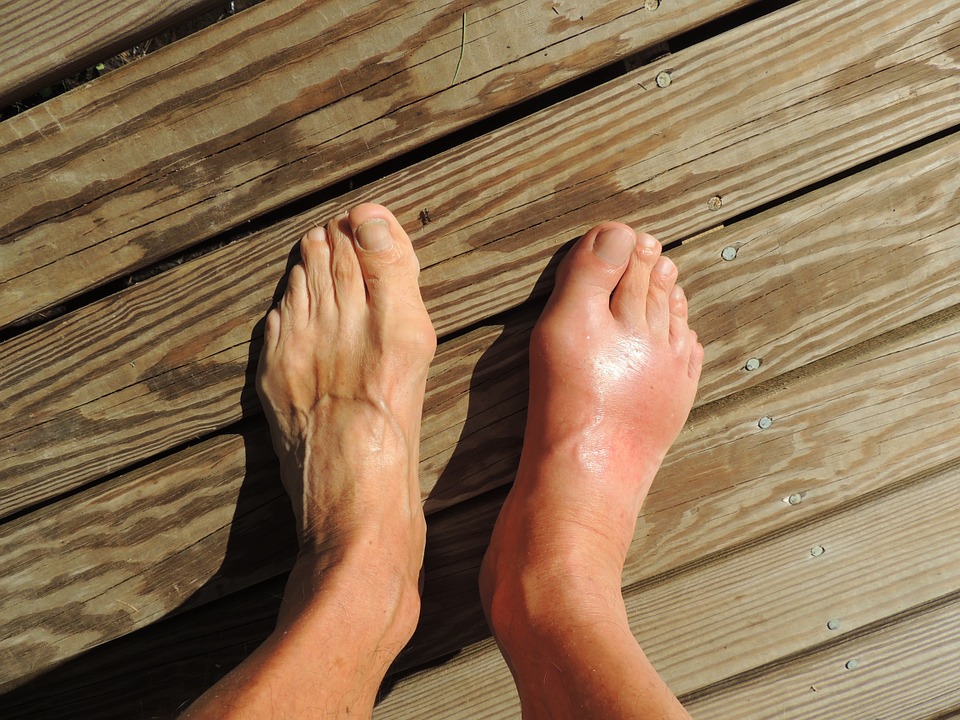
- Gout, a painful inflammatory arthritis, is rising globally and increasingly affecting younger populations.
- Traditional Chinese Medicine offers immediate pain relief techniques, including ice application and acupressure on the Greater Stream point.
- External herbal poultices made from ingredients like eggplant, dandelion and cinnamon can reduce swelling and pain.
- Dietary therapies, such as Si Shen Tang soup and red bean porridge, aim to regulate metabolism and promote uric acid excretion.
- Long-term management emphasizes dietary adjustments, including favoring cherries and dairy, while avoiding high-purine foods and alcohol.
Gout, the ancient “disease of kings” long associated with rich diets and later life, is striking a new and vulnerable demographic: the young. A startling case of an 8-year-old boy in Taiwan diagnosed with an acute attack underscores a troubling global trend. Driven by dietary shifts and rising obesity, gout prevalence is projected to surge over 70% by 2050, affecting tens of millions more worldwide. This escalating health crisis is fueling a renewed interest in holistic, time-tested strategies from systems like Traditional Chinese Medicine (TCM), which offer a multi-pronged arsenal for both immediate pain relief and long-term metabolic balance.
First response: Calming the sudden storm
A gout attack often arrives without warning, frequently waking sufferers in the dead of night with searing pain, most commonly in the big toe. For these acute moments, TCM physicians advocate simple, accessible interventions. Applying a towel-wrapped ice pack to the swollen joint can reduce local inflammation and dull the pain. Concurrently, stimulating the “Greater Stream” (Taixi, KI3) acupoint—located in the depression between the inner ankle bone and the Achilles tendon—is recommended. This point on the Kidney meridian is believed to not only provide rapid relief during an attack but, when used regularly, to support kidney function, the organ central to clearing uric acid from the body.
The herbal compress: Nature’s topical analgesic
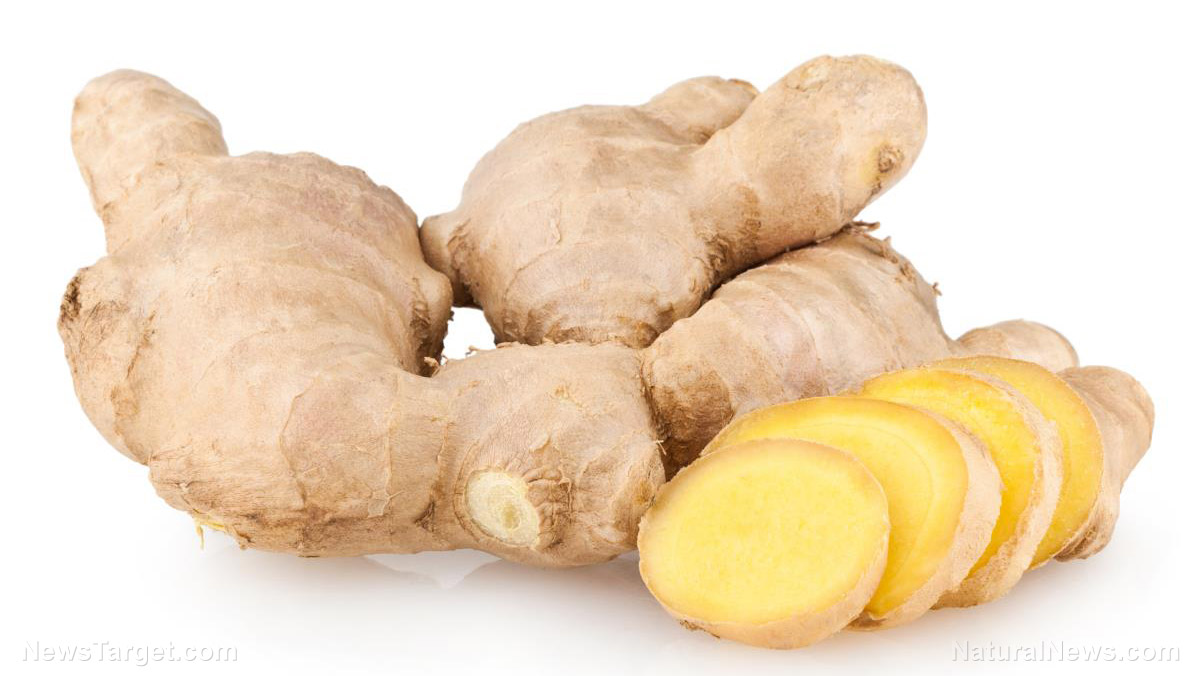
Beyond acupressure, TCM utilizes a pharmacopeia of common plants for external application to reduce swelling and discomfort. Practitioners recommend creating poultices from ingredients like mashed purple eggplant, dandelion, or Plantago asiatica (Che Qian Cao) mixed with honey, or a paste of cinnamon powder and honey. These are applied directly to the affected joint. Fresh ginger, roasted and mashed, is another traditional option. The rationale is supported by modern research; for instance, animal studies have found dandelion leaf extract can lower uric acid, and Plantago asiatica may have effects comparable to the prescription anti-inflammatory drug colchicine, but with a safer profile.
Diet as long-term medicine: Recipes for regulation
TCM holds that acute relief is only part of the solution. Preventing recurrence requires correcting the underlying metabolic dysfunction that leads to high uric acid. Dietary therapy is a cornerstone of this approach. Physicians often recommend medicinal soups and porridges designed to support spleen and kidney function, thereby enhancing the body’s ability to excrete uric acid. One prominent example is Si Shen Tang (Four Gods Soup), a broth made with Coix seed, Poria cocos, lotus seeds and Chinese yam, sometimes with lean poultry. Another is a simple porridge of adzuki beans and Coix seed. These recipes are not mere folk remedies; clinicians report cases, such as an elderly woman with multiple chronic conditions, whose gout attacks ceased and health stabilized after two years of daily Si Shen Tang consumption.
Sustaining balance: Foods to embrace and avoid
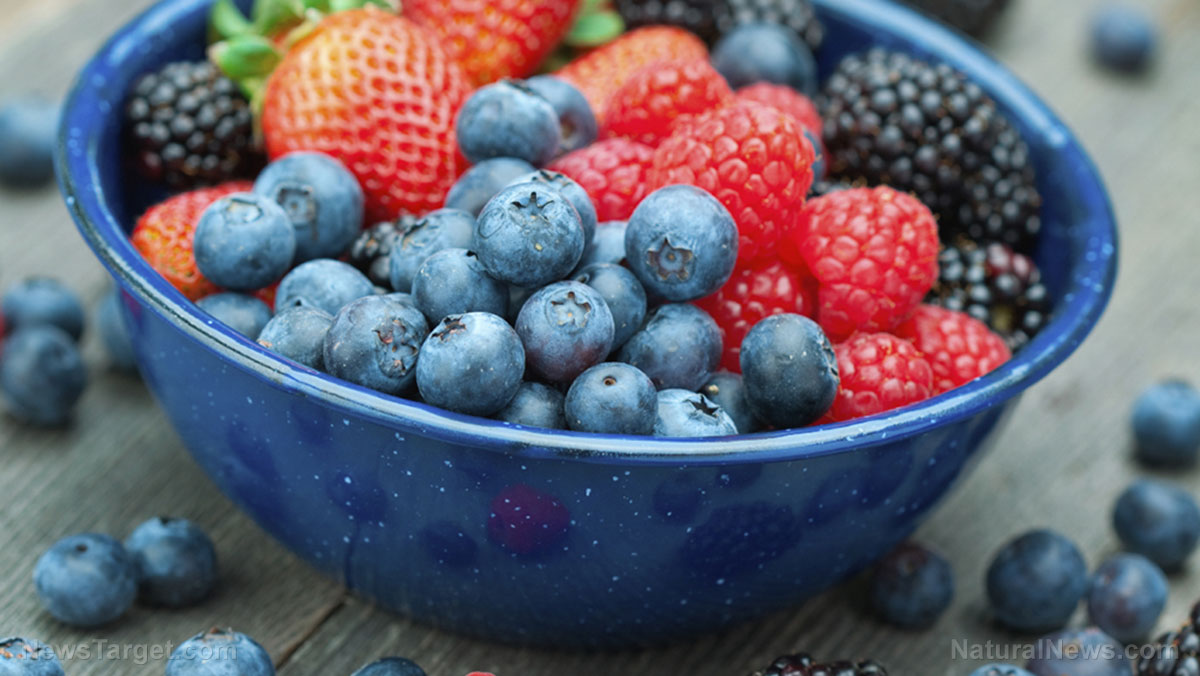
The effectiveness of any therapeutic intervention, natural or pharmaceutical, hinges on daily dietary habits. TCM guidance aligns with broader nutritional science, emphasizing increased water intake to flush uric acid and a diet rich in fruits and vegetables to help alkalize the body. Cherries, supported by modern studies showing a 35% reduction in gout attack risk over two days of consumption, are singled out as particularly beneficial. Increased intake of dairy products, like milk and unsweetened yogurt, is also encouraged for their uric acid-excreting properties. Conversely, patients are advised to strictly avoid high-purine foods—such as red meat, organ meats and certain seafood—during acute attacks and to limit alcohol, sugary drinks and excessively spicy or fried foods long-term.
An integrated path forward
The rising tide of gout, now lapping at the feet of younger generations, presents a significant public health challenge. It underscores the limitations of a crisis-management-only approach focused solely on pharmaceutical pain suppression, which can carry its own risks, including kidney strain. The holistic TCM model, which seamlessly integrates immediate pain-relief techniques, topical herbal applications and foundational dietary therapy, offers a complementary framework. It addresses not just the symptomatic “branch” of intense pain but also the metabolic “root” cause. As global prevalence climbs, this ancient system provides a timely reminder that sustainable management of chronic conditions often requires a blend of rapid response and diligent, daily cultivation of internal balance.
Sources for this article include:
Submit a correction >>
Tagged Under:
cherries, cinnamon, Cures, Dandelion, diet, food cures, gout, grocery cures, healing, Herbs, inflammation, lifestyle, natural health, natural medicine, natural remedies, nutrients, poultice, remedies, TCM, uric acid
This article may contain statements that reflect the opinion of the author
RECENT NEWS & ARTICLES