Nature’s arsenal: The enduring fight against runny nose and the search for real relief
04/06/2026 / By Ava Grace

- Natural remedies for runny noses are gaining attention as alternatives to pharmaceuticals, focusing on treating the underlying causes like viral infections and inflammation, rather than just suppressing symptoms.
- Saline rinses (e.g., with a neti pot) are a clinically supported method to thin mucus, flush out irritants and reduce nasal inflammation, with studies showing effectiveness in children.
- Steam inhalation and hot liquids provide direct relief by loosening congestion; adding essential oils like eucalyptus or peppermint can offer additional decongestant and antimicrobial benefits.
- Common kitchen ingredients like ginger and garlic have scientific backing; ginger can inhibit viruses and soothe inflammation, while garlic’s allicin has antiviral properties that may shorten cold duration.
- While historical use is strong, modern scientific rigor is needed to fully establish protocols and efficacy, and safety precautions (like using distilled water for rinses) are essential when using these natural methods.
In homes, offices and schools across the globe, a familiar and frustrating battle is waged each year against a relentless, if minor, foe: the runny nose. This common affliction, often the harbinger of a cold or flu, is the body’s ancient defense mechanism gone into overdrive. While the causes can range from allergies to chilly air, the viral invasion of the common cold remains a primary culprit, triggering a flood of mucus meant to trap and expel pathogens. For those desperate for respite from the sniffles and a mountain of used tissues, a growing body of evidence and historical practice points not to the pharmacy aisle, but to the kitchen cabinet and the garden, offering a suite of natural remedies that aim to treat the cause, not just the symptom.
This shift towards plant-based and traditional interventions reflects a broader, centuries-old narrative in human health. Long before modern pharmaceuticals, cultures worldwide relied on the antimicrobial and anti-inflammatory properties of everyday herbs and foods to manage respiratory ailments. Today, as consumers increasingly seek alternatives to over-the-counter drugs and grapple with antibiotic resistance, these time-tested methods are undergoing fresh scientific scrutiny. The quest to halt a runny nose is, in many ways, a return to medicine’s roots, updated with clinical research.
The simple power of salt water
Foremost among these remedies is the humble saline rinse, a practice with historical precedents in Ayurvedic medicine known as jala neti. The modern clinical rationale is straightforward: a warm saltwater solution helps thin thick mucus, flush out irritants and viruses and reduce inflammation in nasal passages. A significant study involving children found that saline irrigation reduced nasal secretions, improved breathing and decreased the need for other decongestant medications. While the sensation may be unfamiliar to some, the mechanics are simple, using a neti pot or dropper to introduce the solution, offering a mechanical clearing that also leverages salt’s inherent antibacterial properties.
Harnessing steam and heat
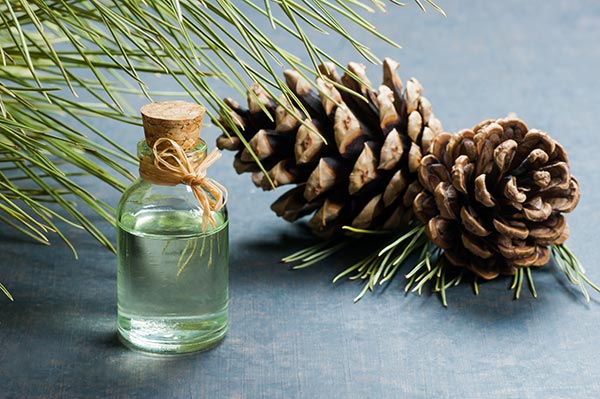
The therapeutic use of steam is another universal historical constant, from Roman bathhouses to traditional sweat lodges. Inhaling warm, moist air is a direct and logical response to congestion, as it helps loosen mucus for easier expulsion. Enhancing this practice with essential oils like eucalyptus, peppermint or thyme—plants long valued for their respiratory benefits—adds an antimicrobial and decongestant layer. Compounds like menthol create a cooling sensation that can ease the feeling of inflammation. Similarly, the simple act of drinking hot liquids provides immediate and lasting relief, likely by promoting mucus flow and hydration. Adding lemon or herbs like chamomile introduces immune-supporting antioxidants and vitamins.
Kitchen cabinet champions
Many of the most potent remedies are culinary staples. Ginger, a cornerstone of traditional medicine systems for millennia, is now validated by research showing its compounds can inhibit viruses from attaching to respiratory cells, potentially preventing symptoms at their origin. Its anti-inflammatory action soothes irritated membranes. Garlic, often called nature’s antibiotic, contains the powerful compound allicin. Studies suggest regular garlic consumption can reduce the frequency and duration of colds, attacking the viral root of a runny nose. For use, crushing a fresh clove and letting it stand activates its key compounds, which can be consumed raw, cooked or in capsule form.
Less common but potent allies
Beyond common spices, other plants offer targeted relief. Licorice root, used in both Eastern and Western traditions, contains glycyrrhizin, which helps break down thick mucus while providing antiviral support. In the Ayurvedic tradition, mustard oil is employed for sinus issues; modern science confirms its strong antibacterial action, even against resistant pathogens. Applied in small, warmed drops to the nasal passages, it can help clear congestion. These remedies underscore a global pharmacopeia of plant-based solutions that have evolved independently yet share a common logic: combat the infection, reduce the inflammation and clear the passages.
Navigating the evidence and future
The renewed interest in these methods brings both promise and the need for scientific rigor. A Cochrane review on saline irrigation for upper respiratory infections concluded that while evidence is positive, especially for children, larger and more standardized studies are needed to firmly establish protocols and efficacy. This highlights a critical tension in natural medicine: abundant historical use and preliminary data require robust, modern clinical trials to define best practices. Furthermore, safety notes are essential; for instance, saline rinses must use distilled or sterilized water to avoid rare but serious infections and essential oils should be used sparingly and never ingested undiluted.
“A runny nose or rhinorrhea, is the discharge of fluid from the nasal passages,” said BrightU.AI‘s Enoch. “It is a common symptom caused by irritation or inflammation of the nasal tissues, often due to allergies, colds or other infections. The fluid helps to flush out irritants or pathogens from the nasal cavity.”
From ginger and garlic to steam and salt, these remedies represent a confluence of tradition and emerging science. They offer a self-reliant, accessible approach to a universal annoyance, emphasizing support for the body’s own healing processes rather than mere suppression of symptoms. For the weary sufferer, relief may not lie in a new molecule, but in the enduring wisdom of ancient, kitchen-ready allies.
Watch and discover natural ways to be rid of a runny nose.
This video is from the Natural News channel on Brighteon.com.
Sources include:
Submit a correction >>
Tagged Under:
alternative medicine, garlic, health science, herbal medicine, Herbs, infections, licorice root, mucus, nasal congestion, natural cures, natural health, natural medicine, Naturopathy, plant medicine, remedies, respiratory health, saline rinse, salt, tips
This article may contain statements that reflect the opinion of the author
RECENT NEWS & ARTICLES