“Terrain: The Workshops” on BrightU: Historical remedy reemerges for modern detoxification and disease reversal
04/18/2026 / By Jacob Thomas
- On Day 7 of “Terrain: The Workshops,” Andrew Kaufman argued pure gum turpentine is a potent solvent for detoxifying fat-soluble toxins stored in the body.
- He cited historical medical use and limited modern studies to support its safety and efficacy for various illnesses.
- Personal testimonials claim success in treating conditions like diabetes, cancer and infections.
- The protocol involves careful dosing and is presented as a cleanse to address root causes of disease.
- This approach remains controversial and outside conventional medicine, despite advocacy from proponents.
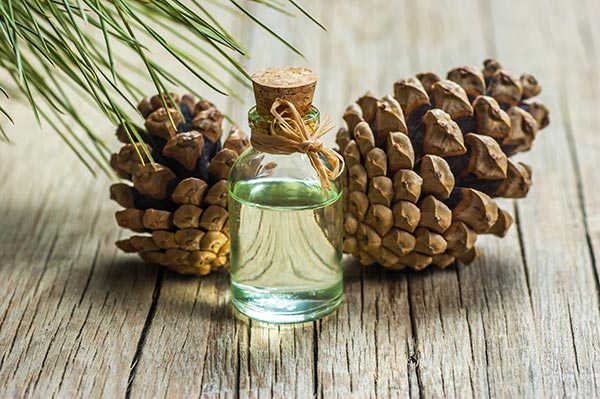
On Day 7 of “Terrain: The Workshops,” aired on April 17, host Andrew Kaufman shared the truth about the pure gum spirits of turpentine. He argued that this distilled pine resin is a potent, misunderstood tool for detoxifying the body and addressing chronic illnesses, from diabetes to cancer.
The rationale hinges on a principle of basic chemistry: like dissolves like. Modern humans are burdened with an accumulation of fat-soluble toxins, including pharmaceutical drugs, persistent organic pollutants (POPs) like legacy pesticides and oxidized compounds from seed oils. These lipophilic substances are stored in the body’s fatty tissues, including the brain, organs and subcutaneous fat.
“Many drugs are fat soluble. Those types of drugs tend to concentrate in the fatty tissues in our body,” Kaufman explained, referencing pharmacokinetic data. He points to environmental bioaccumulation, where toxins concentrate up the food chain, as a key source of these stored pollutants. The proposed solution is a lipophilic solvent that can mobilize these stored toxins for elimination.
As noted by BrightU.AI‘s Enoch, lipophilic solvents are nonpolar organic liquids that readily dissolve fats, oils and other hydrophobic compounds. Examples include n-hexane and petroleum ether, which are ideal for extracting nonpolar, lipid-soluble substances from materials.
Turpentine, derived from the sap of pine trees, is that solvent. Its medicinal use is not new. Historical records cited by advocates show it was a staple in 19th-century medical practice. A doctor writing in the Northwestern Medical and Surgical Journal in 1854 noted that after moving past early prejudices, he used turpentine extensively and found it a valuable and important remedy. The 1899 Merck Manual listed it as a treatment for conditions ranging from cholera and pneumonia to gallstones, gangrene and cancer.
The power of pine
Modern research, though limited, is presented to support safety and efficacy. One translated Russian study on patients with COPD and emphysema reported that turpentine baths improved lung function and reduced pulmonary hypertension, a condition often considered irreversible. Animal studies highlighted by advocates show turpentine protected rodents against lethal radiation and stimulated significant liver regeneration after partial removal.
On safety, advocates vehemently challenge mainstream warnings. They cite a toxicology case report of an elderly woman who ingested approximately 40 teaspoons, far beyond any recommended dose, and recovered fully. “I could only find one reported case of a turpentine fatality and it was a very young child who ingested a huge, huge amount,” Kaufman stated. He emphasizes the critical distinction between pure gum spirits of turpentine and hardware-store varieties, which contain toxic petroleum additives.
Personal testimonials form a core part of the narrative. Kaufman shares his first use was for recurrent cellulitis. “I put it on. I did it a second time. I woke up the next morning and the infection was gone.” After a full oral protocol, he reported passing large worms and losing significant belly fat. He claimed clients have experienced remissions from lymphoma recurrences, type 2 diabetes resolving within three weeks and reversal of conditions like ulcerative colitis, Crohn’s disease and heart failure.
The protocol itself involves careful, gradual dosing, often starting with drops on a sugar cube, alongside a “lipophilic diet” (either very high-fat or very low-fat) to support detoxification pathways. It is framed as a comprehensive cleanse to address the root cause of inflammation and disease by purging stored toxins.
Despite its historical pedigree and anecdotal successes, the approach remains far outside conventional medicine. Critics, like those in a CBS news segment, warn of potential kidney toxicity and danger.
Yet, for its advocates, turpentine represents a powerful, natural answer to a modern problem of toxic accumulation, a forgotten remedy waiting to be rediscovered. As the 1854 doctor wrote after his own journey with the substance, he began “to do my own thinking and ceased looking through the spectacle of others.” Today’s proponents urge the same.
Want to learn more?
If you are ready to move beyond isolated facts and assemble the complete picture of true health, it is time to master the terrain. This is a fundamental re-education. It is the synthesis of decades of clinical practice, rigorous scientific inquiry and the timeless principles of natural healing.
This docuseries is not designed to sell you fear, but to equip you with the knowledge, protocols and confidence to control your own well-being. Own the complete “Terrain: The Workshops” full package here. Upon purchase, you will receive immediate and lifetime access to videos of all 10 episodes, bonus protocols (PDF) and all presentation slides.
Watch this informative video clip from the Day 7 of “Terrain: The Workshops.”
This video is from the BrightU Series Snippets channel on Brighteon.com.
Sources include:
Submit a correction >>
Tagged Under:
alternative medicine, Andrew Kaufman, BrightU, cancer remission, chronic illness, detoxification, environmental toxins, fat-soluble, historical remedy, holistic healing, lipophilic solvent, natural health, pharmaceutical drugs, pine resin, protocol, Terrain Workshops, toxins, turpentine, wellness
This article may contain statements that reflect the opinion of the author
RECENT NEWS & ARTICLES