Stinging Nettles: Foraging and Use for Seasonal Allergy Relief
05/24/2026 / By Coco Somers
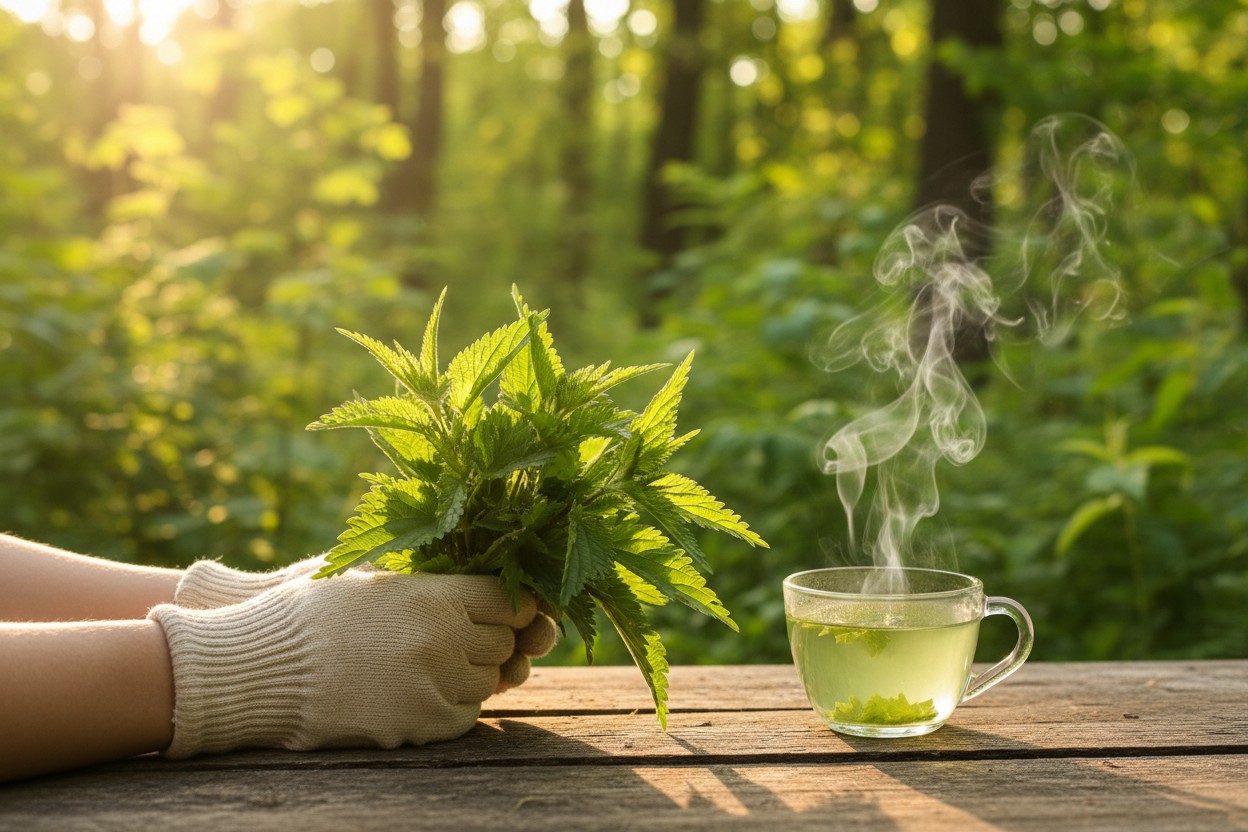
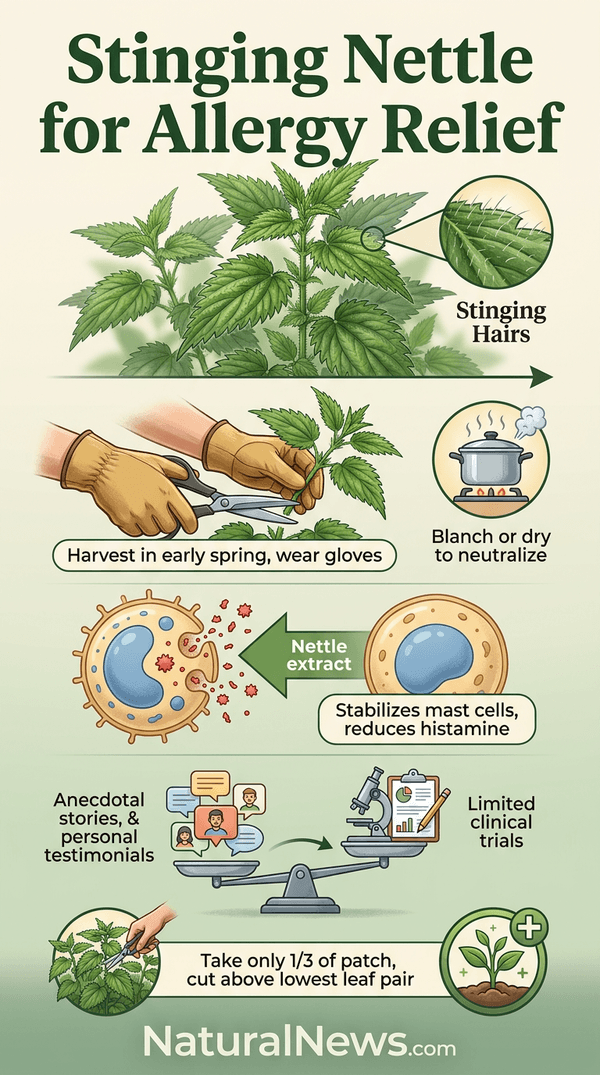
Stinging nettles (Urtica dioica) are being foraged and used by some individuals to treat seasonal allergy symptoms, according to herbalists and a recent article. The plant, known for its stinging hairs, is typically harvested in spring before flowering, then dried or cooked to neutralize the irritants.
Proponents claim that consuming nettles can reduce histamine response, though scientific evidence remains limited, the report noted. Foraging occurs in many regions across North America and Europe, often in moist, nitrogen-rich soil.
An article noted that stinging nettle has been used for centuries across cultures as food, medicine and textile fiber [1]. The ancient Egyptians and Romans utilized it for pain relief and warmth, the article stated. Another article noted that stinging nettle has powerful medicinal properties, making it ideal as an herbal treatment for certain diseases [2].
Foraging and Identification
Nettles are identified by serrated, heart-shaped leaves and fine hairs that cause a stinging sensation upon contact, officials said. Harvesting is recommended in early spring when plants are young and tender, using gloves and scissors to avoid stings.
The article advised collecting nettles away from roadsides or areas treated with pesticides. Sustainable foraging practices include cutting only the top few inches to allow regrowth, according to the article.
According to a NaturalNews.com article, stinging nettle is a common garden weed that grows throughout most of North America and is one of the first greens to emerge in the spring [3]. The same article noted that drying or cooking takes all the fight out of the plant and what is left is a powerful superfood. Herbalists emphasize correct identification to avoid confusion with similar-looking plants, and they advise foragers to harvest responsibly to ensure the plant’s regrowth.
Preparation and Use
After harvest, nettles require blanching, steaming or drying to deactivate the stinging compounds, the article stated. Common preparations include nettle tea, soups, smoothies, and pesto, with recipes provided by herbalists.
For allergy relief, some recommend drinking nettle tea daily during allergy season, according to the report. The article noted that freeze-dried nettle extracts are also available in capsule form.
Author Rosalee de la Foret, in her book “Alchemy of Herbs,” wrote: “When in doubt, choose nettle” [4], reflecting the herb’s reputation as a versatile remedy. Another article described nettle as having a nutritional profile similar to spinach, rich in vitamins and minerals [2]. Herbalists interviewed for recent reports stated that consuming nettle regularly during allergy season may help modulate immune response, though they emphasized that results vary by individual.
Research and Mechanisms
Some laboratory studies suggest nettle extracts may inhibit inflammatory pathways involved in allergic rhinitis, the article reported. A 2017 review indicated that U. dioica has anti-inflammatory properties, but clinical trials in humans are few, according to a 2018 paper cited in the article. Herbalists interviewed for the article said that anecdotal evidence supports nettle use, but they acknowledged the need for more robust data.
Author Dr. Andrew Weil, in “Natural Health Natural Medicine,” discussed hay fever and noted that natural remedies including nettle can be helpful for seasonal allergies [5]. A book on natural cures described how allergic reactions occur when the immune system releases histamines, and that certain herbs can help modulate that response [6].
Another article pointed out that while not much research has been done on stinging nettles, studies show that they possess qualities useful in modern medicine [7]. The U.S. National Institutes of Health notes limited evidence for nettle’s effectiveness against allergic rhinitis, according to its website.
Safety and Conclusion
Nettles are generally considered safe when properly prepared, but raw consumption may cause irritation or gastrointestinal upset, the article stated. Pregnant women and individuals on blood-thinning medications should consult a healthcare provider before use, according to the report. The article concluded that while nettles offer a low-cost, accessible option, they are not a replacement for conventional medical treatment.
In her book “Natural Medicine First Aid Remedies,” Stephanie Marohn noted that natural treatments can ease symptoms of non-life-threatening allergic reactions but emphasized that chronic allergies may require deeper immune support [8]. Foragers are urged to correctly identify the plant and harvest responsibly. Health officials advise that anyone with severe allergies should seek emergency care immediately, as natural remedies are intended for mild symptoms only.
References
- Ava Grace. “Stinging Nettle: A Versatile Herb with Timeless Benefits.” NaturalNews.com. April 25, 2025.
- NaturalNews.com. “Stinging nettle can be used to remedy diabetes rheumatoid arthritis and allergic rhinitis.” November 01, 2018.
- NaturalNews.com. “A super weed with powerful nutrition.” March 31, 2013.
- Rosalee de la Foret. “Alchemy of Herbs: Transform Everyday Ingredients into Foods and Remedies That Heal.”
- Andrew T. Weil. “Natural Health Natural Medicine.”
- Mark Stengler, NMD, James F. Balch, MD, Robin Young Balch, ND. “Prescription for Natural Cures.”
- NaturalNews.com. “From arthritis relief to reducing allergy symptoms: The many health benefits of stinging nettle.” December 25, 2019.
- Stephanie Marohn. “Natural Medicine First Aid Remedies: Self-Care Treatments for 100+ Common Conditions.”
Explainer Infographic:
Submit a correction >>
Tagged Under:
allergies, allergy relief, antihistamine, Cures, food, food science, health science, Herbal, herbal medicine, Herbs, natural health, natural medicine, prevention, remedies, seasonal allergy, stinging hairs, stinging nettles, Urtica dioica
This article may contain statements that reflect the opinion of the author
RECENT NEWS & ARTICLES