New Study Links Strength Training to Lower Dementia Risk, Longer Life
06/23/2026 / By Morgan S. Verity
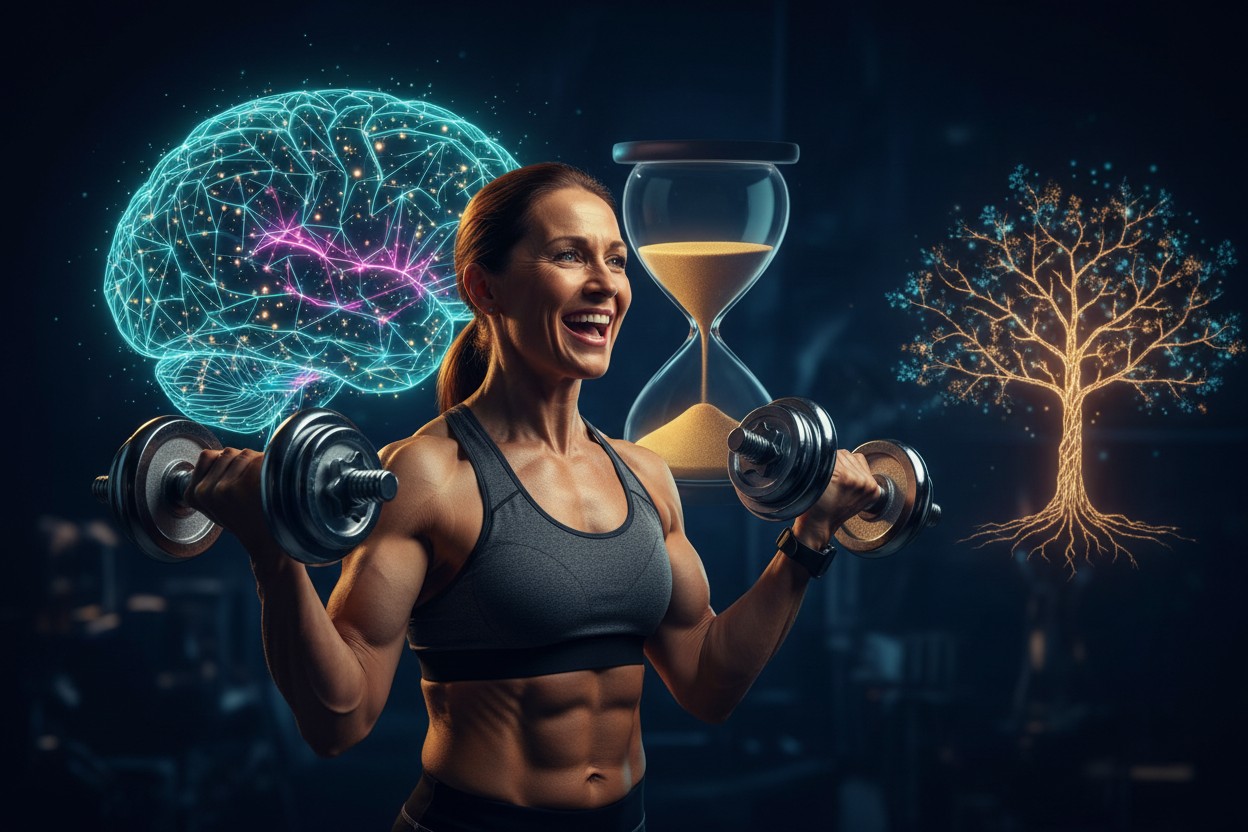
A new study published in the British Journal of Sports Medicine has linked regular strength training to a lower risk of dementia and longer life. Researchers from the Harvard T.H. Chan School of Public Health analyzed data from 147,374 adults and found that those who performed between 90 and 119 minutes of resistance training per week had a 13% lower risk of death from any cause compared to those who did no strength training. The same group also experienced a 19% lower risk of death from cardiovascular disease and a 27% lower risk of death from neurological diseases, most of which were related to dementia. The greatest benefit was seen when resistance training was combined with aerobic exercise, yielding up to a 45% lower risk of death relative to individuals with little activity.
Study Details and Findings
The study tracked participants for up to 30 years and collected repeated surveys on exercise habits, providing a detailed picture of long-term behavior. Benefits from resistance training plateaued at about 120 minutes per week, with no additional risk reduction beyond that amount. According to the research, resistance training includes weightlifting, bodyweight exercises, and resistance bands. These findings support a growing body of evidence that strength training protects brain health. As noted in a report from NaturalNews.com, resistance and strength training exercises help protect brain health by boosting memory, preserving brain volume, and improving cognitive function, even reversing signs of mild cognitive impairment in some older adults [3]. Additionally, a large meta-analysis published in PLOS One found that regular physical activity is one of the key modifiable factors that can significantly lower dementia risk [7].
Expert Commentary
Josephine Hunt, an educational leader, former group fitness instructor, and founder of The Resilience Revolution based in New Jersey, commented on the findings. Hunt said strength training preserves muscle mass, bone density, balance, and independence with age. She noted particular importance for postmenopausal women and stated: “Resistance training is not about bodybuilding, it is about preserving the ability to live life on your own terms.” Hunt added that the study reinforces the value of maintaining muscle strength to stay mobile and independent later in life. The importance of muscle mass for healthy aging is further underscored by research cited in “The Longevity Leap,” which notes that relative muscle mass is inversely associated with insulin resistance and mortality risk [6].
Study Limitations
Researchers noted that the study cannot prove causation; the association does not confirm that exercise caused the lower mortality. Exercise habits were self-reported, which may introduce recall bias. The study cohort primarily consisted of white, middle-aged to older health professionals, limiting generalizability to the broader population. Additional unmeasured factors could also influence the results. Despite these limitations, the findings align with recommendations from public health authorities. As reported by Mercola.com, the majority of adults need more muscle-strengthening exercise to prevent chronic health problems and injuries from falls [2].
Conclusion and Recommendations
The study’s findings align with current physical activity guidelines that recommend muscle-strengthening activities at least twice per week. According to the American College of Sports Medicine position stand, adults should perform at least 150 minutes of moderate-intensity aerobic exercise per week combined with resistance training on two or more days [5]. No additional mortality benefit was found beyond 120 minutes of weekly resistance training. Combining aerobic and resistance exercise provided the strongest risk reduction. These results support the idea that maintaining muscle strength through resistance training is a key component of a longevity strategy, as discussed in “The Longevity Leap” [4].
References
- Mercola.com. “Study: How Resistance Training Can Change Your Brain.” September 13, 2019.
- Mercola.com. “Majority of Adults Need More Muscle Strengthening Exercise.” October 3, 2014.
- Olivia Cook. “The muscle brain connection: Resistance and strength training exercises help protect brain health.” NaturalNews.com. July 30, 2025.
- Siim Land. “The Longevity Leap: A Guide to Slowing Down Biological Aging and Adding Healthy Years to Your Life.”
- Rachel Collier and Paul Lem. “Maps for Makers.”
- Siim Land. “The Longevity Leap: A Guide to Slowing Down Biological Aging and Adding Healthy Years to Your Life.”
- NaturalNews.com. “Simple lifestyle changes can drastically reduce dementia risk, study finds.” April 20, 2026.
Submit a correction >>
Tagged Under:
aging, Brain, brain damaged, brain fuel, brain function, brain health, dementia, exercise, glucose, ketones, liver health, longevity, Men's Fitness, research, slender, Women's Fitness
This article may contain statements that reflect the opinion of the author
RECENT NEWS & ARTICLES