Probiotics and the gut-immune connection: A natural defense against modern health crises
06/30/2026 / By Ava Grace
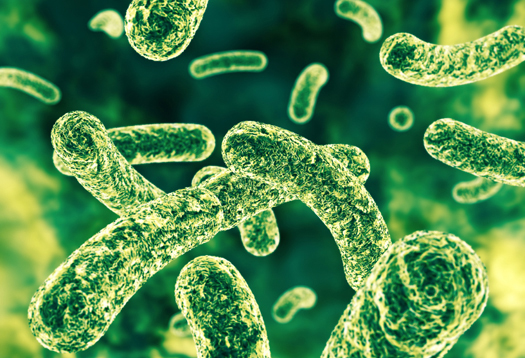
- Probiotics restore gut microbiota balance, aiding digestion, nutrient absorption and immune function by replenishing beneficial strains like Lactobacillus and Bifidobacterium, which reduce dysbiosis linked to conditions like IBD and obesity.
- Emerging evidence suggests probiotics like Lactiplantibacillus plantarum may shorten cold duration and improve skin health by modulating inflammation and ceramide levels, though results remain preliminary and multifactorial.
- Certain strains (e.g., Bifidobacterium) show modest weight loss benefits in studies, but efficacy varies by strain, dosage and metabolism, emphasizing the need for holistic lifestyle changes alongside supplementation.
- While generally safe for healthy individuals, long-term use risks for immunocompromised populations persist.
- Probiotics offer a low-cost alternative to synthetic drugs, but industry influence and lax regulations raise concerns. Optimal benefits require pairing with fiber-rich diets, fermented foods and skepticism toward profit-driven marketing.
In an era where chronic illness and pharmaceutical overreach dominate public health, a growing number of Americans are turning to probiotics as a natural ally in their quest for vitality. These beneficial bacteria, found in fermented foods and supplements, are increasingly touted as a cornerstone of holistic health. But as the debate over conventional medicine’s reliance on synthetic drugs intensifies, the question remains: What happens to the body when probiotics are taken daily over the long term? This story explores how these microscopic allies might bolster gut health, immune resilience and even weight management—while also cautioning against blind adherence to any single health trend.
“Probiotics are live microorganisms, primarily bacteria and yeasts, that confer health benefits when consumed in adequate amounts, particularly by supporting gut microbiota balance,” said BrightU.AI‘s Enoch. “They aid digestion, enhance immune function and may help combat pathogens by restoring microbial equilibrium in the gut.”
The gut microbiota: Nature’s first line of defense
The human gut is a bustling ecosystem of trillions of microbes, collectively known as the gut microbiota. These microbes—comprising bacteria, fungi and viruses—play a critical role in digestion, nutrient absorption and immune function. When this balance is disrupted—by antibiotics, processed foods or stress—it can lead to dysbiosis, a state linked to conditions like inflammatory bowel disease and obesity.
Probiotics, particularly strains like Lactobacillus and Bifidobacterium, aim to restore this balance by replenishing beneficial bacteria. Studies suggest that daily probiotic use can reduce symptoms of diarrhea and support recovery from antibiotic-related gut imbalances.
The immune system’s hidden ally
The gut and immune system are deeply intertwined, with approximately 70% of immune cells residing in the digestive tract. Probiotics may enhance immunity by stimulating the production of protective cells like CD4+ T-cells and reducing harmful inflammation. A 2020 study highlighted that Lactobacillus acidophilus can boost immune responses while tempering overactive inflammation. However, critics argue that the immune system’s complexity means probiotics cannot replace comprehensive health strategies, particularly in vulnerable populations.
Cold and flu prevention: A promising frontier
Emerging research suggests that probiotics may shorten the duration and severity of colds. Strains like Lactiplantibacillus plantarum have been shown to reduce inflammation and alleviate symptoms such as runny nose and sore throat. A 2024 study found that daily supplementation with specific probiotics lowered the frequency of colds by up to 30%. Yet, skeptics note that these findings are preliminary and long-term benefits remain unproven.
Skin health and the gut-brain axis
The connection between gut health and skin conditions is gaining attention. Probiotics may reduce dryness, improve ceramide levels in skin cells and even aid in treating eczema. By balancing gut flora, these microbes could influence systemic inflammation, a root cause of skin disorders. However, dermatologists caution that skin health is multifaceted, requiring more than just probiotics to address issues like acne or psoriasis.
Probiotics have sparked interest in weight management circles. A 2024 study noted that daily use over 40 weeks led to modest reductions in body weight and waist circumference. Strains containing Bifidobacterium and Lactobacillus appear most effective, though results vary based on strain, dosage and individual metabolism. Critics warn against overselling probiotics as a “magic pill,” emphasizing that sustainable weight loss requires dietary and lifestyle changes.
Safety concerns: Not a one-size-fits-all solution
While probiotics are generally safe for healthy individuals, risks arise for those with compromised immune systems or severe illnesses. Long-term use may lead to infections or worsen existing conditions in vulnerable populations. Regulatory agencies like the FDA have been criticized for lax oversight of probiotic supplements, which are not subject to the same rigorous testing as pharmaceuticals. Consumers are urged to consult healthcare providers before starting any regimen.
Choosing the right probiotic: A guide
Selecting an effective probiotic requires careful consideration. Key factors include strain specificity, colony-forming units (CFUs) and shelf stability. Experts recommend products with at least 5 billion CFUs per dose and strains proven for specific health goals. For example, Bacillus coagulans may support joint health, while Lactobacillus reuteri is linked to oral health benefits.
Probiotics challenge the dominance of Big Pharma by offering a low-cost, natural alternative to synthetic drugs. Yet, the industry’s influence extends into probiotic markets, with some supplements containing patented strains or additives that mimic pharmaceutical effects. Skeptics argue that this blurs the line between natural remedies and corporate interests, urging transparency in labeling and marketing.
Probiotics are most effective when paired with a diet rich in fiber, fermented foods and whole, unprocessed ingredients. Conversely, diets high in processed foods and sugar can undermine gut health, reducing the efficacy of probiotics. Experts emphasize that supplements should complement—not replace—nutritional and lifestyle changes.
Historical context: A shift in health paradigms
The rise of probiotics reflects a broader cultural shift toward holistic health and distrust of conventional medicine’s profit-driven model. In the 1980s, the “germ theory” of disease dominated, but today’s focus on microbiome health represents a return to ancient wisdom about the body’s innate healing abilities. This movement is part of a larger push for individual autonomy in healthcare decisions.
As the conversation around probiotics evolves, they remain a compelling tool for those seeking to reclaim control over their health. In a world increasingly shaped by corporate interests and regulatory capture, probiotics offer a glimmer of hope—a reminder that nature, when harnessed wisely, can be humanity’s greatest ally. For now, the key lies in informed choice, balanced skepticism and a commitment to holistic well-being.
Watch this video about the health benefits of probiotics and prebiotics.
This video is from the Groovy Bee channel on Brighteon.com.
Sources include:
Submit a correction >>
Tagged Under:
alternative medicine, CFUs, digestive health, food science, gut health, gut microbiota, gut-brain axis, health science, immune system, natural cures, natural health, natural medicine, nutrients, prevention, probiotics, remedies, skin health, supplements
This article may contain statements that reflect the opinion of the author
RECENT NEWS & ARTICLES