Some IBD Patients Produce Antibodies That Block Key Inflammation Regulator, Study Finds
07/04/2026 / By Morgan S. Verity
Study Finds Autoantibodies Against IL-10 in Subset of IBD Patients
Approximately 3.5 percent of people with inflammatory bowel disease (IBD) produce autoantibodies that neutralize the anti-inflammatory cytokine interleukin-10 (IL-10), according to a study published in the New England Journal of Medicine on June 19, 2026.
Researchers from two large United Kingdom cohorts analyzed blood samples from 4,909 individuals with IBD and compared them with samples from 1,033 healthy controls. Among the healthy controls, none tested positive for the antibodies, the study reported. The findings suggest that a subset of IBD patients has a distinct immune dysfunction that disables one of the body’s key regulators of gut inflammation.
Role of Interleukin-10 in Gut Inflammation
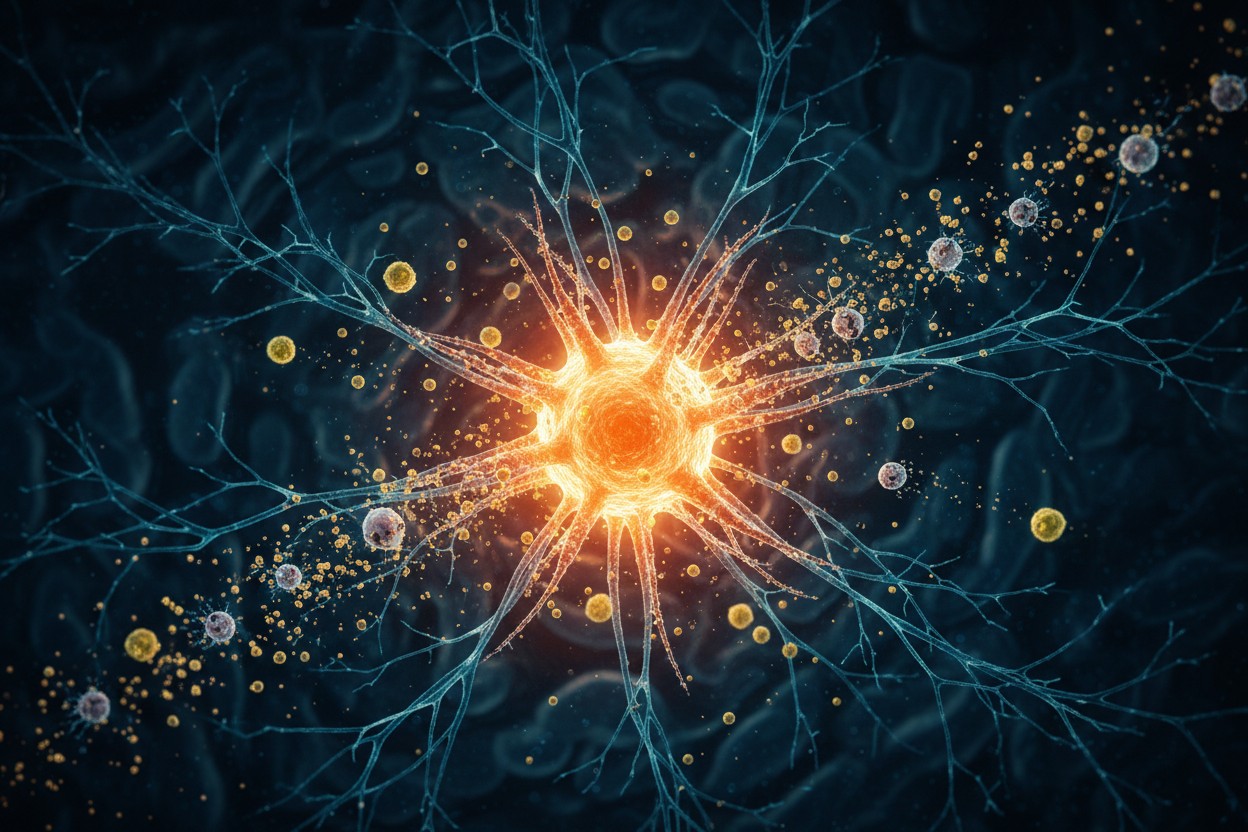
Interleukin-10 is a cytokine that acts as an off switch for immune responses, according to the study authors. It dampens inflammatory signals and helps prevent tissue damage in the gut. Inflammatory bowel disease, which includes Crohn’s disease and ulcerative colitis, involves chronic inflammation of the gastrointestinal tract and affects an estimated 3 million adults in the United States, according to a report on Mercola.com [1].
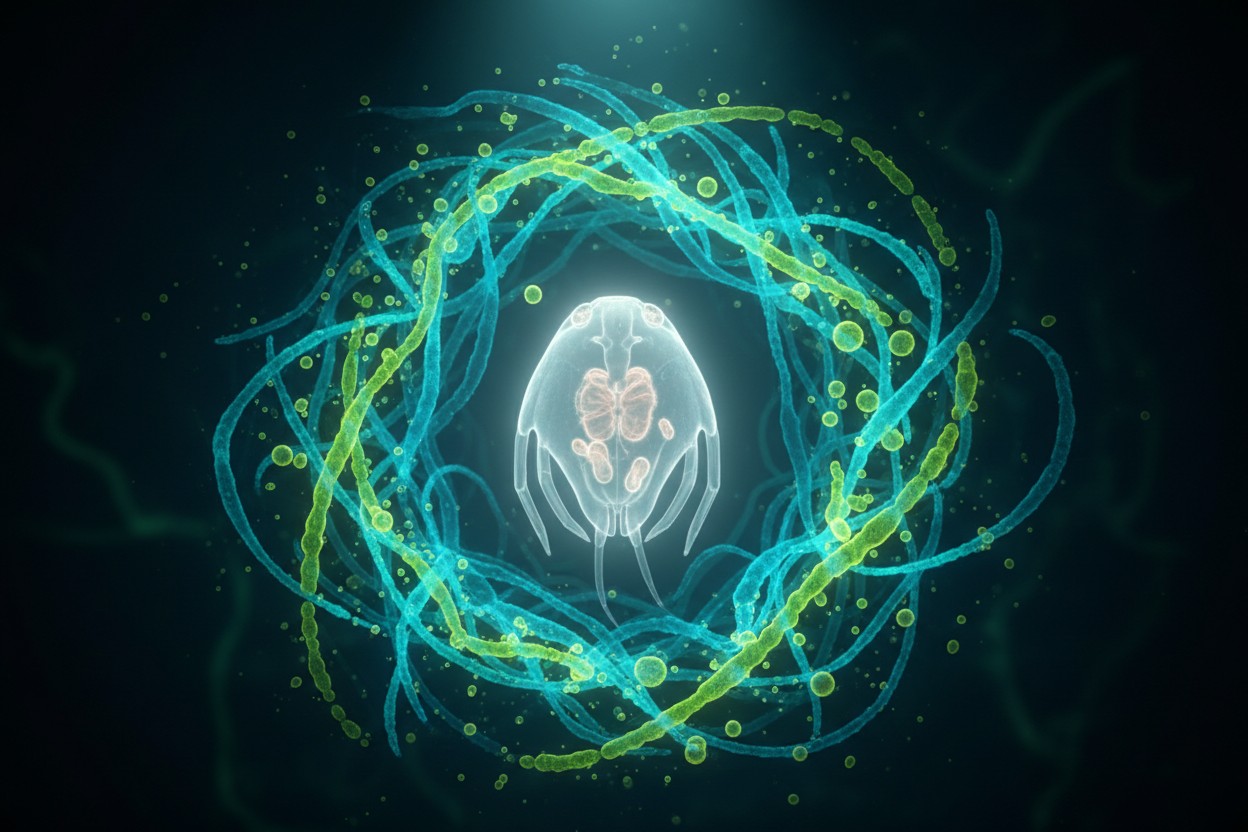
When IL-10 signaling is blocked, the immune system continues to amplify inflammatory signals rather than winding them down. Previous research has demonstrated that mice genetically deficient in IL-10 develop chronic enterocolitis, highlighting the critical role of this cytokine in maintaining gut homeostasis, according to a study published in Cell [2]. Cytokines are signaling molecules that control the direction, amplitude, and duration of immune responses, according to the book Comprehensive Bioactive Natural Products [3].
Study Methods and Key Results
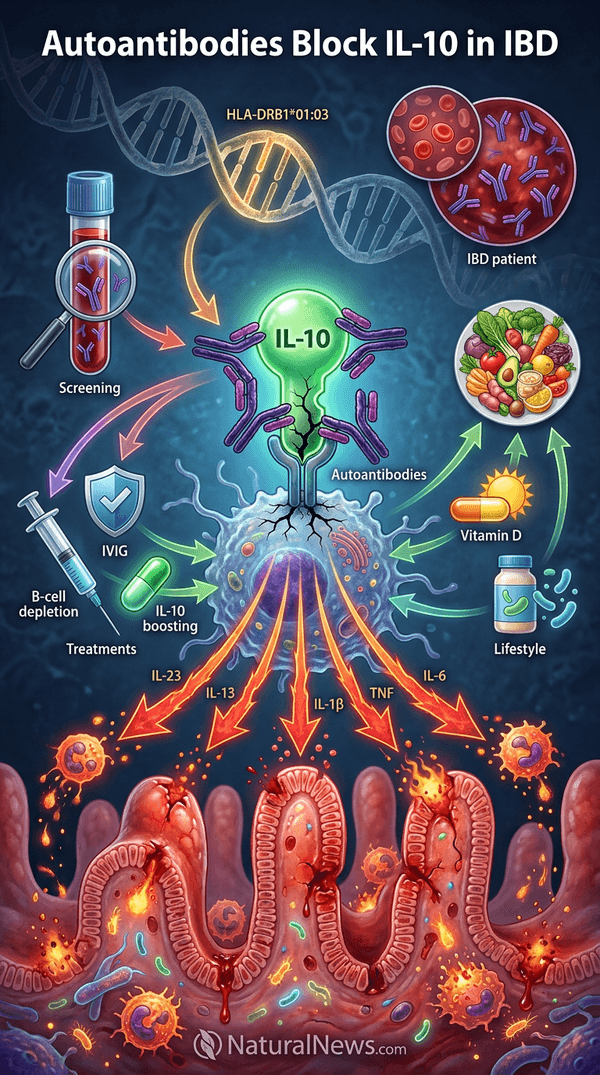
The study tested blood samples from 4,909 IBD patients and 1,033 healthy controls for the presence of IL-10 autoantibodies. Among those who tested positive, researchers observed lower-than-expected levels of IL-10 in the blood, along with elevated levels of pro-inflammatory cytokines including interleukin-23, interleukin-1?, tumor necrosis factor, and interleukin-6, according to the study.
The research also identified a strong genetic association: individuals carrying the HLA-DRB1*01:03 gene variant were significantly more likely to have the autoantibodies, the study reported. This variant is already recognized as the strongest genetic risk factor for ulcerative colitis. The findings point to a distinct IBD subtype driven by an autoimmune response that disables IL-10, rather than a defect in the IL-10 gene itself.
Implications for IBD Diagnosis and Treatment
The discovery suggests that approximately one in 28 IBD patients may have a form of the disease driven by these IL-10-blocking antibodies, which could require different therapeutic approaches, according to the researchers. Patients whose disease originates from this pathway may not respond to standard therapies in the same way as those with other biological drivers, the study authors said.
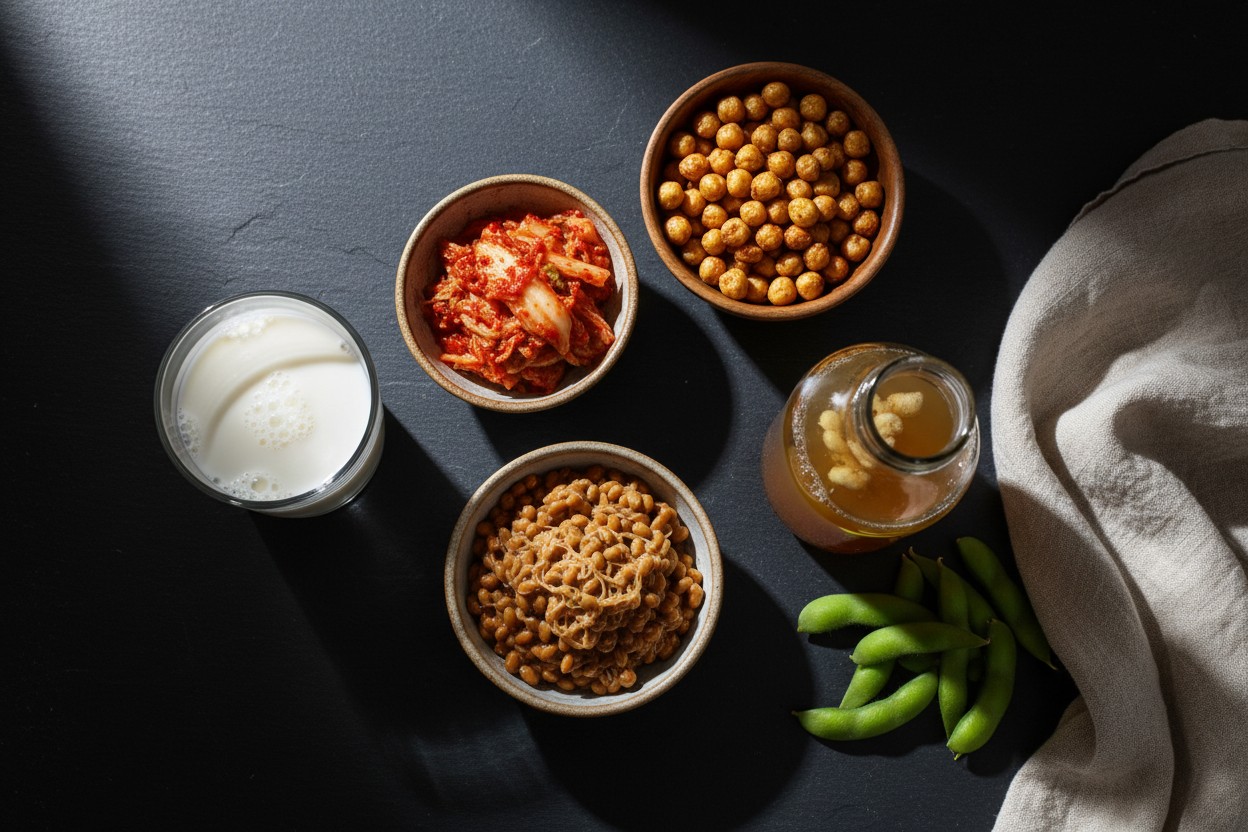
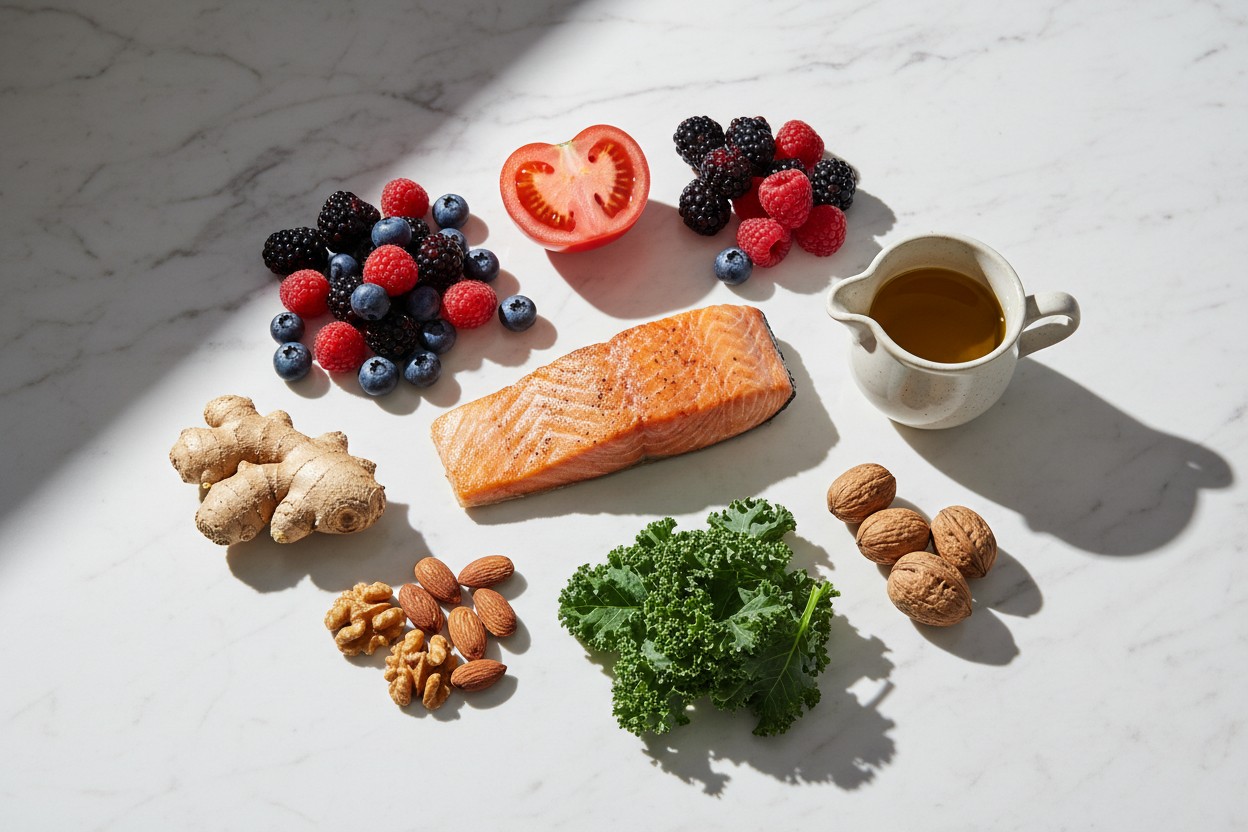
Screening for IL-10 autoantibodies could help stratify patients and guide personalized treatment strategies, according to the researchers. This approach aligns with emerging research that emphasizes the role of diet and lifestyle in managing gut health. For example, a diet rich in fiber and fermented foods supports beneficial gut bacteria and helps regulate immune responses in the gut lining, as noted in a review of traditional fermented foods [4]. Additionally, research suggests that vitamin D can reduce pro-inflammatory immune cells and boost protective ones in people with IBD, according to an article on NaturalNews.com [5].
Expert Commentary and Next Steps
Independent experts not involved in the study called the findings compelling but noted that further research is needed to confirm the clinical utility of testing for these antibodies, according to the study report. The study authors recommended that future clinical trials consider stratifying participants by antibody status to evaluate targeted therapies.
Understanding the biological basis of this IBD subtype may lead to more effective treatments for affected patients. Natural approaches that support immune regulation, such as consuming a diet rich in polyphenols and anti-inflammatory compounds, have shown promise in animal models of IBD, according to a book on polyphenols and disease [6]. The study adds to a growing body of evidence that IBD is not a single condition but a spectrum of disorders with distinct underlying mechanisms, the researchers said.
References
- Mercola.com. “Can Ginger Help Ulcerative Colitis – Mercola.com, March 23, 2020”. Mercola.com. March 23, 2020.
- Sabine Specht, Sandra Arriens, Achim Hoerauf. “Induction of chronic colitis in IL-10 deficient mice requires IL-4”. Digestive and Cellular Immunology. 2006.
- VK Gupta. “Comprehensive Bioactive Natural Products Volume 2 Efficacy Safety Clinical Evaluation I”.
- NaturalNews.com. “Fermented foods: Ancient tradition validated by modern science as key to gut health, immunity and mood”. NaturalNews.com. May 19, 2026.
- NaturalNews.com. “The gut’s peacekeeper How vitamin D may calm a misdirected immune system – NaturalNews.com, April 02, 2026”. NaturalNews.com. April 2, 2026.
- Ronald Ross Watson, Victor Preedy, Sherma Zibadi. “Polyphenols Prevention and Treatment of Human Disease”.
Explainer Infographic
Submit a correction >>
Tagged Under:
antibodies, chronic enterocolitis, crohns disease, cytokine interleukin-10, digestive health, gastrointestinal tract, gut health, IBD, IL-10, immune dysfunction, inflammation, inflammatory bowel disease, research, ulcerative colitis
This article may contain statements that reflect the opinion of the author
RECENT NEWS & ARTICLES