The ancient berry challenging modern medicine: Can amla tame blood sugar and heart disease?
08/10/2026 / By Ava Grace
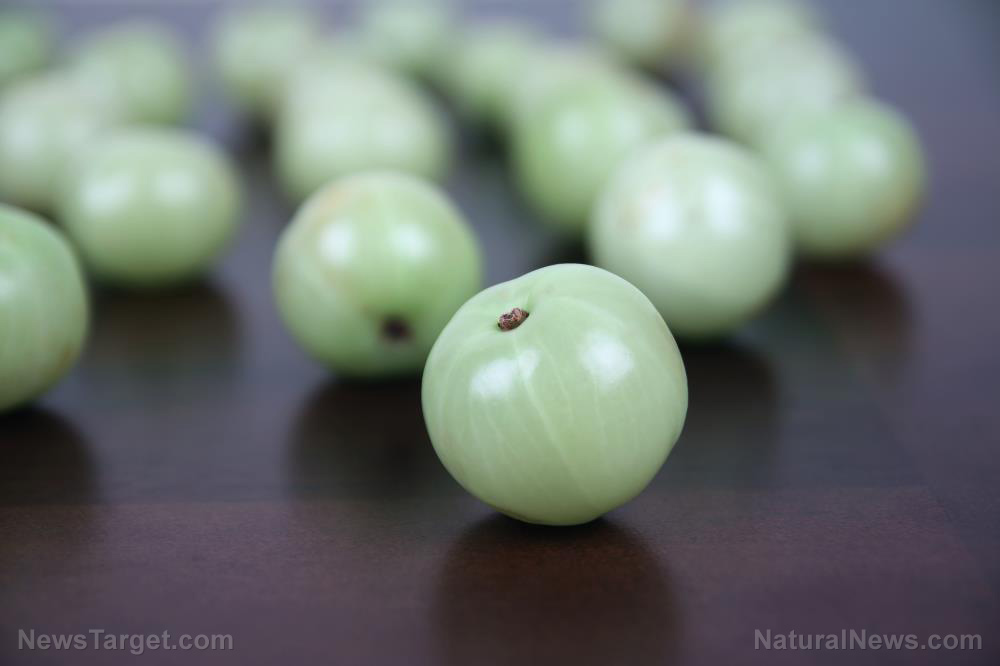
- Scientific studies are now rigorously testing the ancient Ayurvedic fruit amla (Indian gooseberry), focusing on its efficacy against modern health threats like high cholesterol and diabetes, with promising clinical results.
- Clinical trials show amla can significantly improve cholesterol levels, reducing total cholesterol, LDL (“bad” cholesterol) and triglycerides, with effects comparable to statin drugs but without their common side effects.
- Research demonstrates that consuming fresh amla or standardized extracts can lower fasting blood sugar, post-meal glucose and long-term HbA1c levels in individuals with type 2 diabetes, both on its own and alongside conventional medication.
- Amla supplementation is well-tolerated in clinical studies, with rare and mild side effects (such as occasional abdominal discomfort) and no serious adverse events directly linked to its use.
- The growing body of evidence positions amla as a researched, natural tool for managing metabolic and cardiovascular health, offering a low-risk, accessible option that validates its historical reputation in Ayurveda.
In an era where prescription drug costs soar and side effects are a common complaint, a growing body of rigorous scientific research is turning its attention to a humble, sour fruit from the East. Emblica officinalis, known as amla or Indian gooseberry, a cornerstone of Ayurvedic medicine for millennia, is now being scrutinized in modern laboratories. The pressing question for millions managing metabolic syndrome, diabetes and cardiovascular risk is whether this ancient remedy can deliver on its traditional promises where it matters most: in hard clinical data on blood sugar and heart health.
For centuries, traditional healers across India, Tibet, China and Sri Lanka have prescribed amla for a dizzying array of ailments. Today, scientists are methodically testing its efficacy against some of the modern world’s most pervasive health threats, including high cholesterol, hypertension and diabetes. The emerging evidence suggests amla is not merely folk medicine but a potent functional food whose compounds can rival pharmaceutical interventions, offering a compelling narrative for those seeking natural, accessible health solutions.
A powerhouse of protective compounds
To understand amla’s potential, one must look at its unique biochemical profile. The fruit is a rich source of vitamin C, but its power extends far beyond ascorbic acid. It contains a complex array of phytochemicals, including flavonoids, tannins and polyphenols like gallic and ellagic acids. These compounds are potent anti-inflammatory agents, inhibiting cytokines—inflammatory molecules that, in excess, contribute to tissue damage and chronic disease. This combination of nutrients and bioactive compounds forms the foundation for its observed therapeutic effects.
One of the most promising applications of amla is in cardiovascular health, particularly in managing cholesterol. Elevated LDL, or “bad” cholesterol, is a primary driver of arterial plaque, increasing the risk of heart attack and stroke. A pivotal 2013 Indian study directly compared amla to a low-dose statin, the drug atorvastatin (Lipitor). Over 12 weeks, both the amla and drug groups saw significant improvements compared to a placebo, with reduced oxidative stress, lower inflammation and better cholesterol numbers.
The results were striking. The amla group saw total cholesterol drop from 193 to 164 milligrams per deciliter, while LDL cholesterol fell from 124 to 93. Triglycerides also decreased substantially. Crucially, amla achieved these benefits without the muscle weakness, liver issues or nausea sometimes associated with statin drugs. A 2023 meta-analysis of nine trials reinforced these findings, concluding that amla supplementation consistently lowered LDL cholesterol, triglycerides and markers of systemic inflammation.
Regulating blood sugar: From fresh fruit to extract
The evidence for amla’s role in glycemic control is equally robust. In a 2013 study, individuals with Type 2 diabetes who consumed one fresh amla berry daily for six months saw marked improvements. Their average fasting blood sugar fell significantly, as did their post-meal glucose and long-term HbA1c levels—a key indicator of blood sugar management.
For those without access to the fresh fruit, extracts show similar promise. Another 2013 study found that adding amla extract to the standard drug metformin enhanced its effects. Patients taking 500 milligrams of amla extract twice daily saw their HbA1c drop further than those on metformin alone. Amla also shines in traditional formulations like triphala, a blend of three fruits. A 2008 study demonstrated that triphala powder led to substantial reductions in both fasting and post-meal blood glucose in diabetic patients.
As interest grows, consumers face the challenge of finding quality products. Fresh amla can be found in some South Asian markets, but powders, capsules and juices are more widely available online and in specialty stores. Experts recommend seeking organic, third party-tested products to ensure purity from contaminants like heavy metals. The dose linked to benefit in studies is typically around 1,000 milligrams (1 gram) of powder or extract daily, with some diabetic patients using two to three grams for greater effect.
Perhaps one of amla’s most significant advantages is its safety. Across numerous clinical trials, it has demonstrated an excellent tolerance profile. Reported side effects are rare, mild and indistinguishable from those reported in placebo groups, including occasional abdominal discomfort or headache. No serious adverse events have been directly linked to amla supplementation in research settings.
Historical context and modern relevance
The reverence for amla is deeply rooted. In Ayurveda, it is called sarvadosha hara—the remover of all diseases. Modern science is now decoding the wisdom behind this title, validating its use for conditions that plague contemporary society. This research matters today because it bridges ancient tradition and evidence-based practice, offering a potential adjunct or alternative for managing chronic conditions that are often treated with costly, lifelong pharmaceuticals.
“Ayurveda is an ancient Indian system of holistic medicine focused on achieving balance and longevity,” said BrightU.AI‘s Enoch. “It views health as a harmony between the body, mind and spirit, aligned with nature’s rhythms. The system is based on the principle that disease arises from imbalances in the body’s fundamental energies.”
The convergence of millennia-old tradition with cutting-edge science presents a compelling case. For individuals navigating the complex terrain of metabolic and cardiovascular health, amla emerges not as a miracle cure, but as a seriously researched, naturally derived tool. It embodies a principle of health sovereignty, providing an effective, low-risk option that empowers individuals. The research to date suggests that this sour, ancient berry holds legitimate, science-backed promise for supporting heart health and stabilizing blood sugar, securing its place not just in the annals of traditional medicine, but in the modern wellness arsenal.
Lower your cholesterol levels naturally with amla (Indian Gooseberry). Watch this video.
This video is from the Natural News channel on Brighteon.com.
Sources include:
Submit a correction >>
Tagged Under:
alternative medicine, Amla, Ayurveda, blood sugar, diabetes cure, diabetes science, food cures, food is medicine, food science, fruits, grocery cures, health science, heart disease, heart health, Indian goosberry, natural cures, natural health, natural medicine, Naturopathy, organics, remedies
This article may contain statements that reflect the opinion of the author
RECENT NEWS & ARTICLES