Why your 30s are the decade to fortify your bones
02/17/2026 / By Willow Tohi
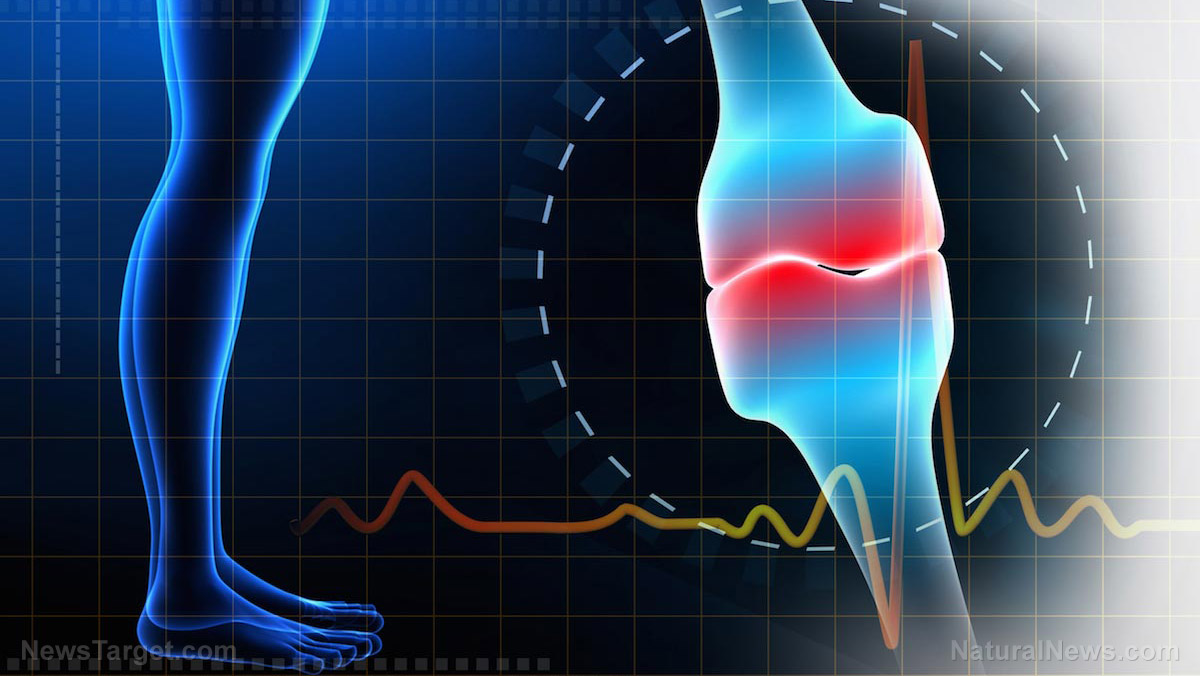
- Bone density peaks around age 35, making early prevention in one’s 30s and 40s critical.
- Osteoporosis is often a “silent disease” with no symptoms until a fracture occurs.
- Prevention hinges on weight-bearing exercise, adequate calcium and vitamin D, and avoiding smoking and excess alcohol.
- A diet rich in magnesium, vitamin K and protein, alongside managing salt and caffeine, supports long-term bone health.
- Bone density testing is recommended for those with risk factors, as lifestyle interventions can slow or prevent bone loss.
For generations, osteoporosis was viewed as an inevitable affliction of old age, marked by stooped posture and fragile bones. Today, a paradigm shift is underway, driven by a sobering medical reality: The foundation for this debilitating disease is often laid decades before diagnosis, sometimes as early as one’s 30s. This news matters profoundly for a longevity-focused society, where more people are living longer but not necessarily healthier. The critical window for building robust bone density peaks around age 35, after which gradual loss begins. For college-educated adults investing in their future well-being, understanding that bone health is a lifelong endeavor—not a senior citizen’s concern—is the first and most crucial step toward prevention.
Redefining the timeline of bone health
Osteoporosis, derived from the Latin for “porous bones,” is a disease where bones become brittle and prone to fracture from minor falls or even everyday stresses. Historically, public health messaging targeted postmenopausal women, whose risk spikes due to plummeting estrogen levels. However, contemporary research underscores that the condition is not merely a function of aging but of bone bank account management. From childhood through the mid-30s, the body builds bone mass. After this peak, the balance slowly shifts toward loss. The goal, therefore, is to deposit as much mineral density as possible during the accrual phase and then minimize withdrawals later. Individuals who enter their 40s with suboptimal bone mass start at a significant deficit, accelerating their journey toward clinical osteoporosis.
The pillars of prevention: Beyond calcium
While calcium is rightly celebrated as the primary building block of bone, its effectiveness hinges on a symphony of supporting nutrients and lifestyle choices. Vitamin D is non-negotiable for calcium absorption, yet an estimated 1 billion people worldwide are deficient. Magnesium works synergistically with both, while vitamin K, found abundantly in leafy greens, directs calcium into bones and away from arteries. Furthermore, adequate dietary protein provides the structural matrix for bone mineralization. Conversely, several common modern habits actively sabotage bone integrity:
- Smoking and heavy alcohol use disrupt hormone balance and nutrient absorption.
- High sodium intake and excessive caffeine can leach calcium from the body.
- A sedentary lifestyle fails to provide the mechanical stress needed to stimulate bone-strengthening activity.
The non-negotiable role of strategic exercise
Nutrition provides the raw materials, but exercise provides the blueprint for where the body builds bone. The principle of “use it or lose it” applies directly to the skeleton. Weight-bearing and resistance exercises are the most effective prescriptions for bone health. Activities like brisk walking, hiking, dancing, jogging and stair climbing force the body to work against gravity, signaling bones to fortify themselves. Similarly, resistance training with weights or bands creates beneficial stress that increases bone density and supporting muscle mass, which is crucial for balance and fall prevention. This represents a significant evolution from past advice that focused narrowly on calcium intake, recognizing that bones are dynamic, living tissue that requires physical challenge to thrive.
A proactive health strategy for the future
The most insidious aspect of osteoporosis is its silence; it often presents no warning until a fracture occurs. This makes proactive screening and risk assessment vital. Individuals with a family history of osteoporosis or hip fracture, those who have taken corticosteroids long-term, or people with conditions like rheumatoid arthritis or celiac disease should consult their healthcare provider about a bone density test well before age 65. The test, a quick and painless low-radiation scan, provides a critical snapshot of bone health and can guide early intervention. In an era of personalized medicine, this shift from reactive treatment to proactive, individualized prevention plans marks the most significant advancement in combating this widespread condition.
Securing your skeletal future
The growing understanding of osteoporosis reframes it not as an unavoidable fate but as a largely preventable condition. The power to influence long-term bone health lies in daily decisions made during one’s prime. By embracing a diet rich in a spectrum of bone-building nutrients, committing to regular weight-bearing exercise, and modifying lifestyle risks, individuals can actively build and preserve their skeletal resilience. In doing so, they invest in a future of strength and independence, ensuring that their later years are defined not by fragility, but by continued vitality. The time to fortify the frame is now.
Sources for this article include:
Submit a correction >>
Tagged Under:
bone health, bone loss, fitness, food cures, health science, longevity, Magnesium, men's health, minerals, natural health, natural medicine, Naturopathy, nutrients, osteoporosis, prevention, stop smoking, tips, vitamin D, women's health
This article may contain statements that reflect the opinion of the author
RECENT NEWS & ARTICLES