Everyday foods like strawberries and cilantro can DISARM and ELIMINATE heavy metals from the body
02/17/2026 / By Lance D Johnson
In a world where industrial byproducts linger in soil and trace metals drift through the air, the concept of detoxification has often been co-opted by the wellness industry, wrapped in expensive juices and complex cleanses. Yet, emerging nutritional science points to a more accessible arsenal, one already sitting in the crisper drawer or spice cabinet. A growing body of research suggests that a strategic, food-first approach, rich in specific plants and herbs, can help the body gently counteract and eliminate toxic heavy metals like lead, arsenic, and mercury. This isn’t about a drastic purge but about harnessing the protective biochemistry of everyday ingredients, turning mealtime into a form of quiet, daily resistance against pervasive environmental toxins.
Key points:
- Heavy metals such as lead, arsenic, mercury, cadmium, and aluminum are widespread environmental contaminants linked to serious neurological, developmental, and chronic health issues.
- Dietary strategies focusing on sulfur-rich vegetables, antioxidant herbs, specific fibers, and algae can support the body’s innate detoxification pathways.
- Foods like cilantro, garlic, and citrus pectin have demonstrated an ability to bind to metals or boost protective enzymes, aiding their removal from the body.
- Incorporating foods like strawberries and peanut butter can provide additional detox support through their fiber and nutrient profiles.
- Caution is advised with certain supplements, as some turmeric products, particularly those from regions with lax regulations, have been found to be adulterated with lead.
The unseen burden of heavy metals
Heavy metals are not abstract threats; they are persistent elements in modern life. Lead, a potent neurotoxin, can migrate from old plumbing or contaminated soil into water and food, posing severe risks to childhood brain development. Arsenic, a known carcinogen, infiltrates the food chain, notably in rice and some fruit juices. Mercury accumulates in the food web, concentrating in large predatory fish like tuna and swordfish, threatening neurological health. Cadmium, a byproduct of industrial processes and battery production, accumulates in the body over a lifetime, stressing the kidneys. Aluminum, abundant in the earth’s crust, sees its concentrations amplified by mining and industrial activity, with potential links to neurological concerns. The insidious nature of these metals lies in their ability to bioaccumulate, building up in tissues over time and generating oxidative stress that damages cells and DNA.
Historically, human exposure to such metals was often occupational or acute, tied to specific trades like mining or painting. Today, the exposure is diffuse and environmental, making personal mitigation strategies more relevant than ever. The goal is not to incite fear but to empower with knowledge, recognizing that while sources of exposure can be limited, dietary choices offer a proactive line of defense.
Nature’s detox toolkit, from garlic to cilantro
The human body possesses sophisticated systems for processing and eliminating toxins, primarily through the liver and kidneys. The right foods can optimize these natural processes. Research highlights several key dietary allies.
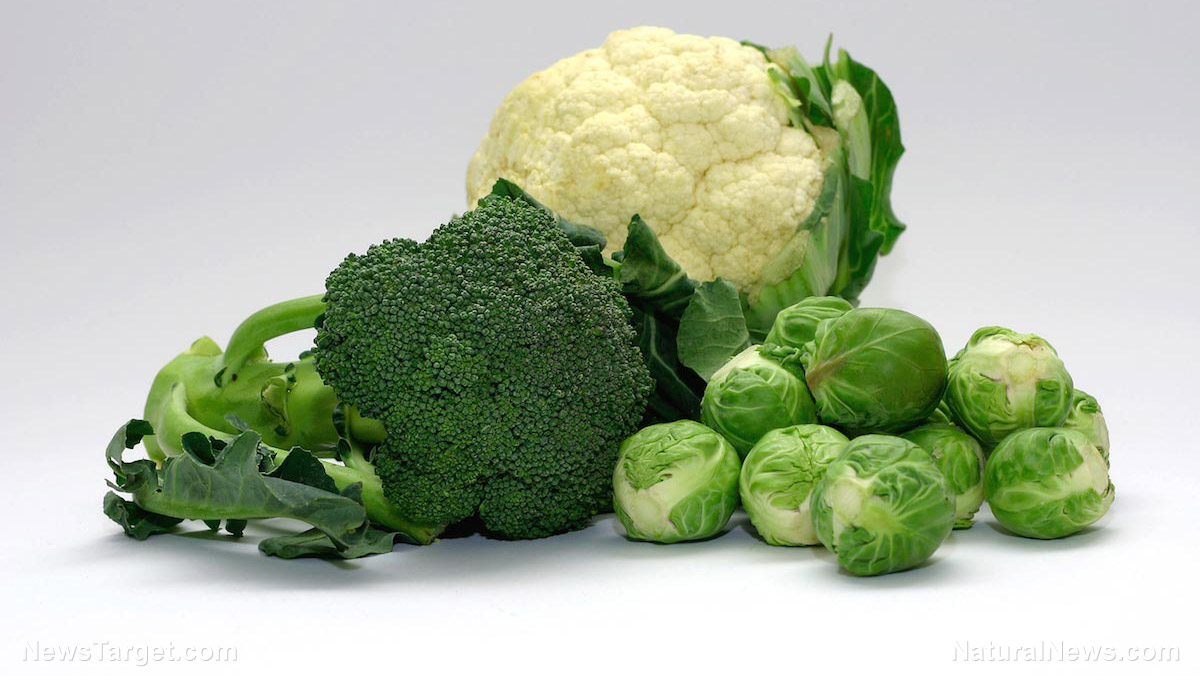
Sulfur-rich vegetables like garlic, onions, broccoli, and Brussels sprouts are foundational. The sulfur compounds that give garlic its pungent aroma perform a crucial function; they bind to metals like cadmium, lead, and mercury, helping to usher them from tissues into waste for elimination. Garlic serves a dual role, also protecting the liver from metal-induced damage.
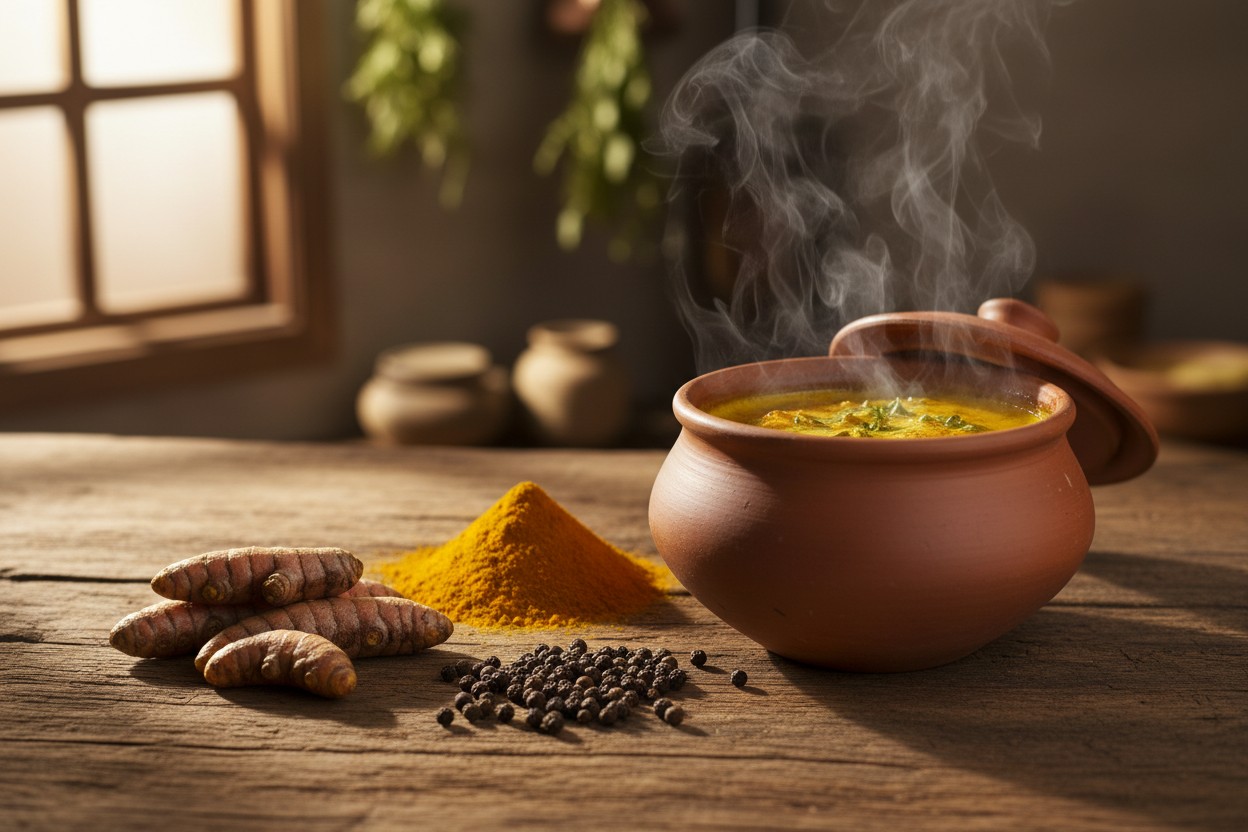
Leafy greens and herbs provide antioxidant and anti-inflammatory support, countering the cellular damage metals cause. Beyond staples like spinach and kale, herbs like cilantro have a particular folk and growing scientific history. Some studies suggest cilantro may help mobilize lead and mercury, acting as a helpful agent in the body’s clearance process. Similarly, the curcumin in turmeric is a powerful antioxidant. An Indian study on people exposed to arsenic found curcumin helped repair DNA damage caused by the metal. However, consumers should be vigilant about sourcing. Public health alerts have noted that some turmeric supplements from India, where testing regulations can be inconsistent, have been intentionally adulterated with lead chromate to enhance their yellow color, creating a dangerous paradox where a detox aid introduces the very toxin it is meant to combat.
Fiber plays a surprisingly direct role. Soluble fibers like pectin, found abundantly in apple skins, citrus peels, and strawberries, act as a “metal mop” in the gastrointestinal tract. They can bind to heavy metals in the gut, preventing their absorption and carrying them out in stool. One study indicated that modified citrus pectin supplementation increased the urinary excretion of arsenic by 130%. This mechanism underscores why whole fruits are more beneficial than juices; the fiber is essential.
Strawberries and the chelating properties of natural insoluble fibers
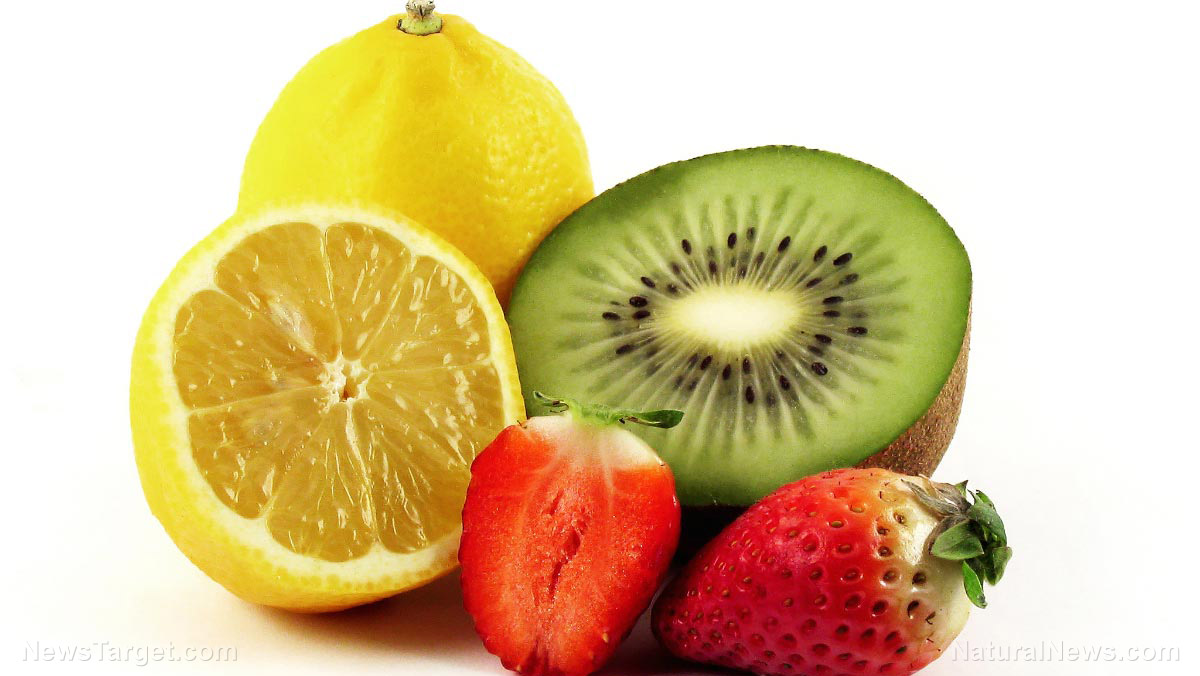
Beyond the commonly listed detox foods, other accessible options can contribute to this protective diet. Strawberries, rich in both vitamin C and a specific type of fiber, offer a two-fold benefit. The vitamin C protects cells from damage, while the fiber can bind to heavy metals in the digestive system, facilitating their removal. A serving of strawberries contributes to the soluble fiber intake that supports this gut-based cleansing process.
Natural insoluble fibers, particularly those from fresh, uncooked fruits like strawberries, apples, and berries, demonstrate a remarkable ability to bind with toxic heavy metals such as mercury. Laboratory research, including gastric acid simulations, indicates these fibers act as potent chelating agents during digestion. They effectively capture dietary mercury, with studies showing strawberry fibers can bind over 95 percent of the metal present. By trapping these toxins within the digestive tract, the insoluble fibers prevent their absorption and facilitate their safe elimination from the body. This makes incorporating fibrous fruits into meals a powerful, natural dietary strategy for reducing heavy metal burden.
A practical philosophy of protection
Other potent tools include chlorella, a green algae whose cell wall is thought to bind to metals, and ginkgo biloba, an herb whose antioxidants may protect against the oxidative stress caused by lead. Even simple hydration with lemon water supports kidney function and provides vitamin C, which one study found helped reduce blood lead levels.
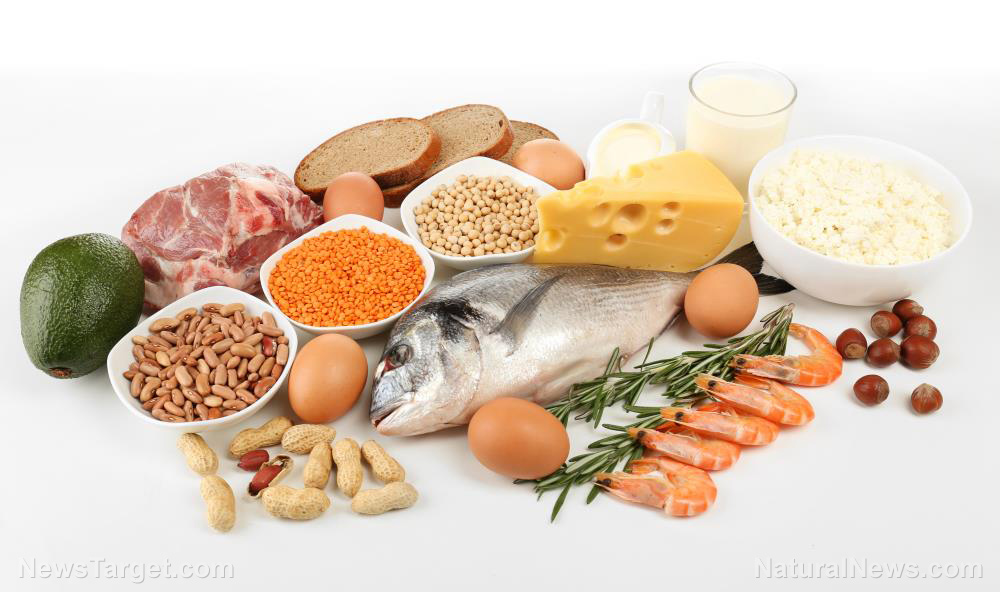
Peanut butter, in its natural, unsweetened form, also plays a supporting role. It is a good source of soluble fiber and contains minerals like selenium, which can help counteract the toxicity of some metals like mercury. The fiber content aids in healthy, regular elimination, which is a critical final step in excreting toxins that have been bound and processed. It is a reminder that a practical, sustainable dietary strategy includes a variety of affordable and familiar foods.
The overarching philosophy is one of consistent, diversified support rather than acute intervention. It is the daily addition of herbs to a salad, the choice of garlic and onions as culinary aromatics, the inclusion of leafy greens with meals, and the preference for whole fruits. This approach aligns with a 2019 review in the Journal of HerbMed Pharmacology that pointed to simple, low-cost habits as effective strategies. It also dovetails with broader nutritional wisdom; these foods are beneficial for heart health, inflammation, and overall vitality, making heavy metal defense a synergistic side effect of eating well.
In the face of widespread environmental challenges, turning to the kitchen offers a tangible sense of agency. By choosing foods that support the body’s inherent wisdom, individuals can build a resilient defense, one meal at a time.
Sources include:
Submit a correction >>
Tagged Under:
Aluminum, antioxidants, arsenic, cadmium, Chlorella, cilantro, detoxification, dietary fiber, food safety, garlic, insoluble fibers, Lead, mercury, nutrition, peanut butter, pectin, Public Health, Strawberries, turmeric, wellness
This article may contain statements that reflect the opinion of the author
RECENT NEWS & ARTICLES