Research Identifies Plant Compound With Cardiovascular Benefits
04/19/2026 / By Morgan S. Verity
Introduction: Quercetin’s Role in Supporting Heart Health
Cardiovascular disease caused one in three deaths globally in 2023, according to a report published in the Journal of the American College of Cardiology in September 2025. The report, drawing on data from 204 countries and territories, stated that 79.6% of the entire cardiovascular disease burden ties directly to modifiable risk factors, including high blood pressure, elevated blood glucose, poor diet, and chronic inflammation. [1]
Research indicates that a common plant compound, quercetin, acts on these exact risk factors.
Multiple human clinical trials confirm that quercetin, a flavonoid found in foods like onions, apples, and tea, lowers blood pressure, reduces LDL and oxidized LDL cholesterol, raises HDL cholesterol, and reduces inflammatory markers tied to arterial disease. [1]
Plant Compound Quercetin Shown to Affect Multiple Cardiovascular Risk Factors, Studies Find
Human trials have confirmed that quercetin supplementation can lower blood pressure and improve cholesterol profiles. A meta-analysis of 39 population studies found that higher flavonoid intake consistently associates with lower cardiovascular risk, with quercetin specifically linked to reduced coronary heart disease risk. [1]
Chronic inflammation and oxidative stress are key drivers of arterial plaque development. Quercetin directly counters both processes.
As an antioxidant, it blocks the formation of oxidized low-density lipoprotein (LDL) cholesterol, or “bad” cholesterol, the form of cholesterol that initiates plaque growth in arterial walls.
As an anti-inflammatory, quercetin inhibits NF-kB, a protein complex that triggers the production of pro-inflammatory compounds throughout the cardiovascular system. [1]
Clinical Trial Results on Blood Pressure and Lipids
A meta-analysis of randomized controlled trials found that quercetin supplementation significantly reduced both systolic and diastolic blood pressure. The research on quercetin is not preliminary, with results holding up across multiple study designs. [1]
A separate randomized, placebo-controlled crossover trial in overweight adults with cardiovascular risk factors found that 150 mg of quercetin daily produced meaningful reductions in systolic blood pressure and oxidized LDL without adverse effects.
In people who took quercetin for more than eight weeks, the evidence also shows reductions in triglycerides and increases in HDL cholesterol. [1]
On inflammation, human trials confirm quercetin reduces C-reactive protein, a key marker of systemic inflammation tied to cardiovascular risk, as well as other inflammatory markers across patients with metabolic disease and Type 2 diabetes. [1]
Mechanisms of Action on Inflammation and Vascular Health
Quercetin supports endothelial function, the health of the thin cellular lining inside blood vessels that regulates blood pressure, clotting, and inflammatory signaling. Impaired endothelial function precedes arterial disease by years or decades. [1]
Additionally, quercetin activates AMP-activated protein kinase (AMPK), a metabolic pathway that enhances insulin sensitivity and helps reverse the blood sugar dysregulation that contributes to arterial damage over time.
The compound’s multi-target profile addresses oxidative stress, inflammation, blood pressure, lipid oxidation, endothelial function, and blood sugar regulation simultaneously. [1]
Dietary Sources and Absorption Considerations
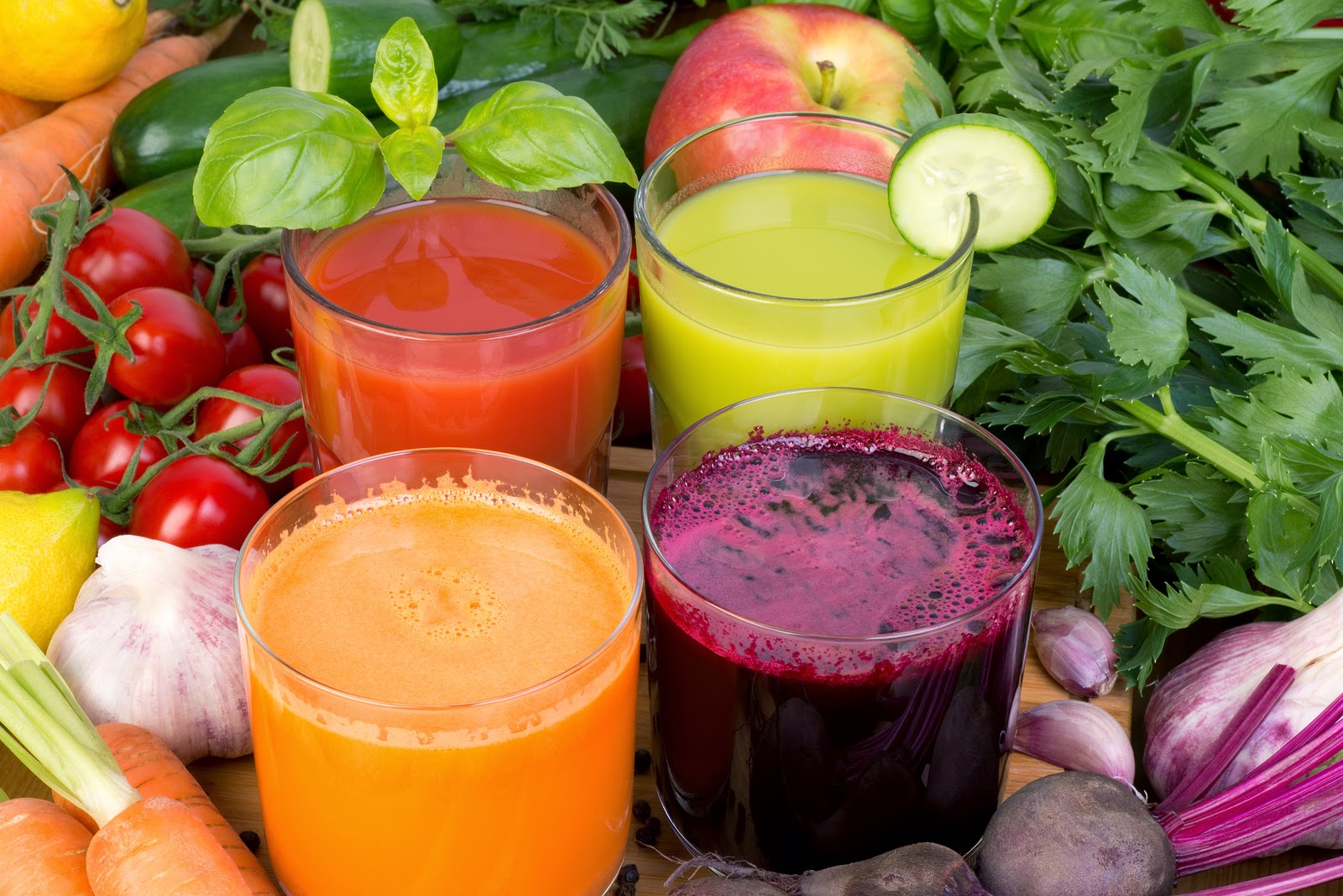
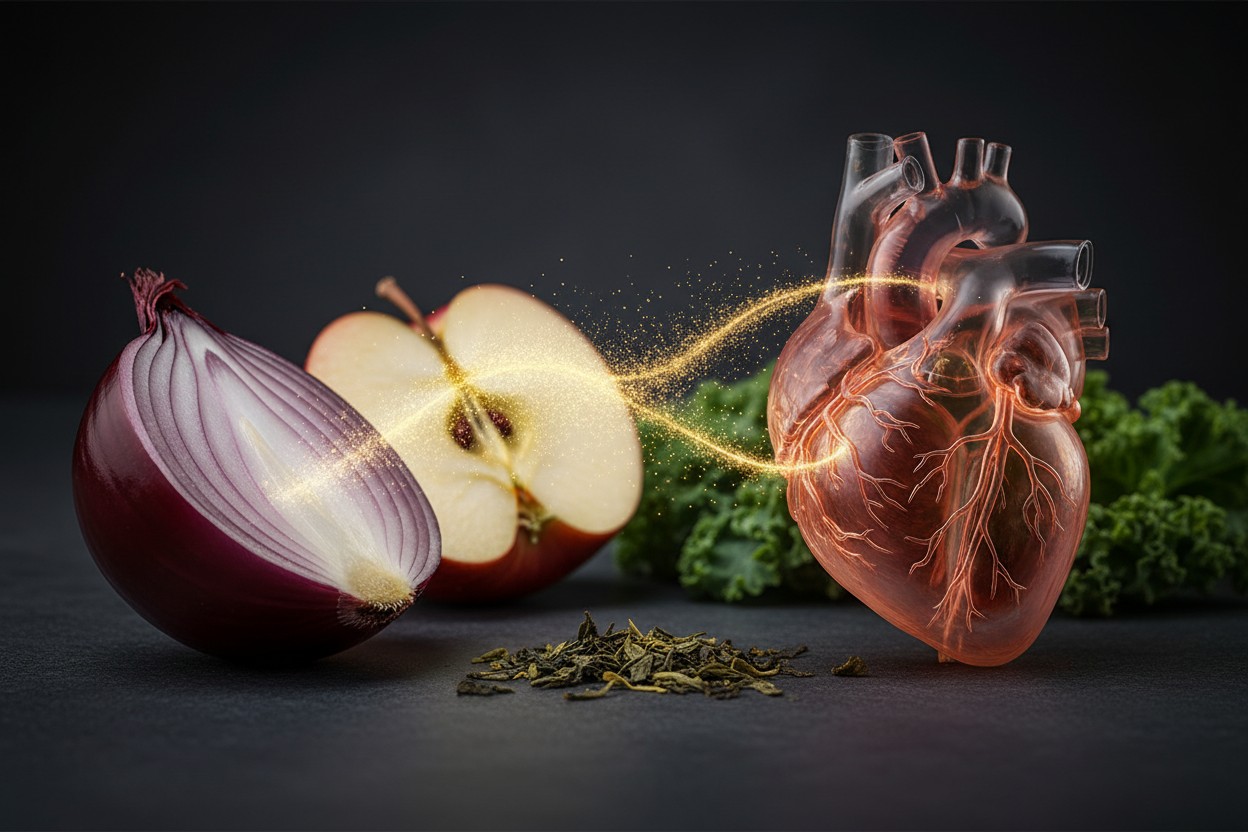
Red onions provide among the highest dietary quercetin concentrations of any common food. Capers, red apples, kale, broccoli, and green tea all contribute meaningfully, according to nutritional research.
Cooking reduces quercetin content, so eating onions raw or lightly cooked and consuming apples with their skin intact maximizes intake. [1] [2]
Quercetin is absorbed more effectively when consumed with dietary fat. A salad containing raw red onion, apple, and olive oil is not just a pleasant combination, as the fat improves quercetin bioavailability from all three sources.
Eggs, avocado, and olive oil are natural companions to quercetin-rich vegetables and fruits. [1]
Research Context and Cardiovascular Disease Burden
The 2025 report in the Journal of the American College of Cardiology made clear that the vast majority of cardiovascular disease burden is preventable. The leading drivers include high blood pressure, elevated blood glucose, poor diet, physical inactivity, and chronic inflammation. [1]
Conventional cardiology’s primary tools remain pharmaceutical, addressing symptoms and single risk factors rather than the oxidative stress, inflammation, and metabolic dysfunction that create cardiovascular disease in the first place. Quercetin research represents exactly the kind of multi-pathway, food-based evidence that is often overlooked in standard medical practice. [1]
Conclusion: Quercetin May be Key to Managing Cardiovascular Disease
The scientific literature indicates that quercetin, a widely available plant compound, exerts measurable benefits on key modifiable risk factors for cardiovascular disease. Human clinical trials have documented its effects on blood pressure, cholesterol profiles, and systemic inflammation.
For those seeking to build a dietary strategy for heart health, incorporating quercetin-rich foods like red onions, capers, red apples, and green tea, and consuming them with healthy fats to improve absorption, is a science-supported approach. This aligns with a broader preventive model that addresses root causes through nutrition and lifestyle, rather than managing isolated symptoms.
References
- Seven Red Foods Linked to Cardiovascular Benefits According to Plant Based Nutrition Report – NaturalNews.com. Coco Somers. March 13, 2026.
- 9 Dietary Habits for Optimum Heart Health and Longevity – EverydayHealth.com.
- An apple a day really can keep the doctor away. Here’s why – NaturalNews.com. News Editors. November 05, 2025.
- The 150 healthiest foods on earth the surprising unbiased truth about what you should eat and why. Bowden Jonny.
- Dietary ?avonoids: effects on endothelial function and blood pressure. Jonathan M Hodgson and Kevin D Croft. Journal of the Science of Food and Agriculture.
Submit a correction >>
Tagged Under:
alternative medicine, antioxidants, breakthrough, cardiovascular health, discoveries, health science, Heart, heart disease, heart health, natural health, natural medicine, nutrients, prevention, quercetin, research, reverse heart disease, supplements
This article may contain statements that reflect the opinion of the author
RECENT NEWS & ARTICLES