Creatine Shows Mixed Results as Potential Depression Treatment, Researchers Say
07/05/2026 / By Edison Reed
A systematic review of five randomized controlled trials has found that creatine supplementation produced inconsistent effects on depression symptoms, according to a report published in Brain Medicine on June 30, 2026.
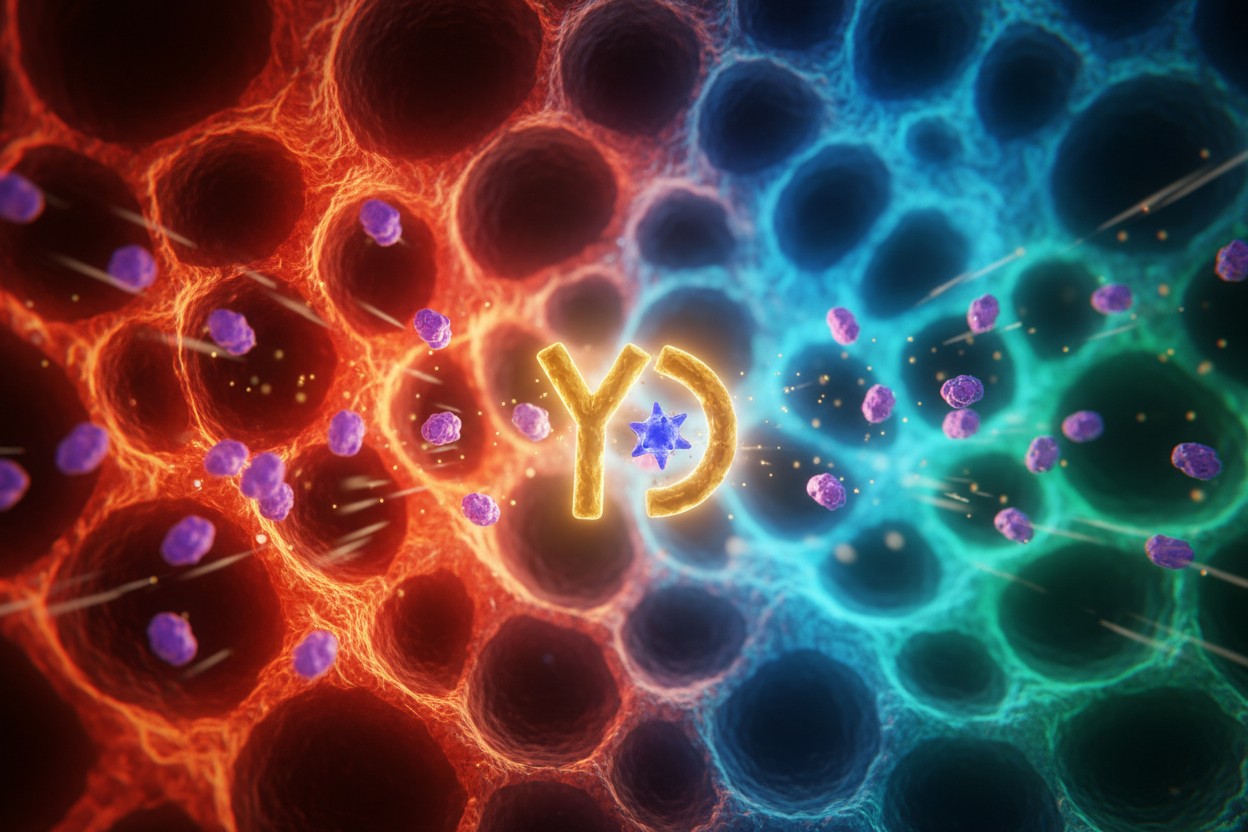
Two studies involving women with major depressive disorder reported that adding creatine to standard treatment improved symptoms, while three others found no meaningful benefit. The review led by Bassam Jeryous Fares of the University of Ottawa analyzed 238 participants across studies conducted in South Korea, the United States, Brazil, Israel and India. However, researchers cautioned that the evidence is not sufficient to recommend creatine for clinical use.
Review of Five Clinical Trials Finds Inconsistent Benefits
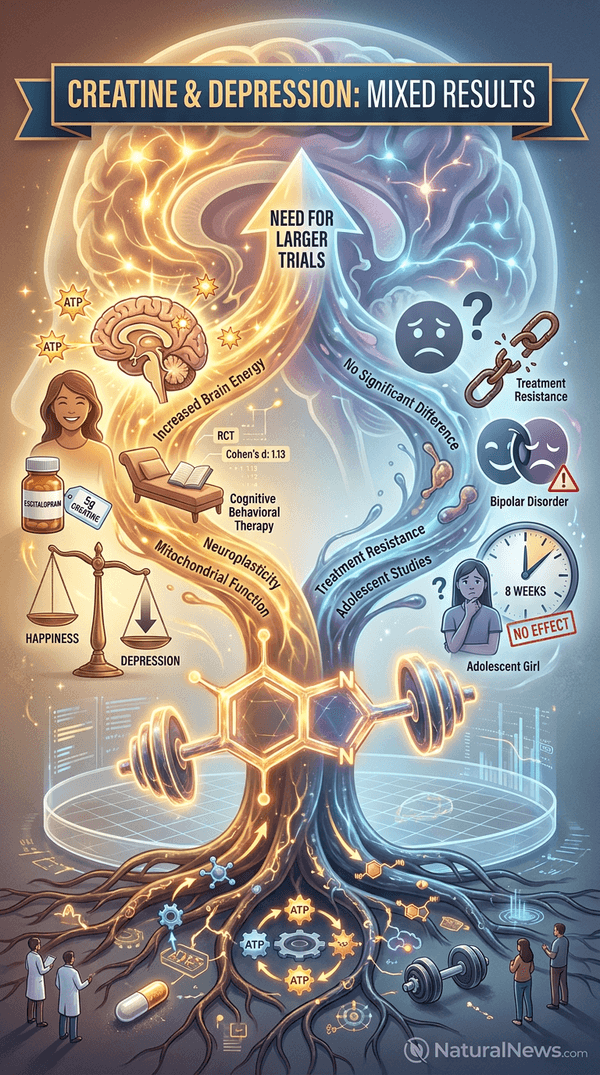
The review examined six published reports covering five randomized, placebo-controlled trials with a total of 238 participants at enrollment. Two trials enrolled only women and showed positive results.
One found that 5 grams of creatine daily alongside the antidepressant escitalopram led to greater reductions in depressive symptoms after eight weeks compared with escitalopram and placebo, with a Cohen’s d of 1.13 on the Hamilton Depression Rating Scale. The other trial paired creatine with cognitive behavioral therapy and found superior symptom reduction.
However, three trials found no benefit, including a study in which neither 5 nor 10 grams of creatine improved symptoms in treatment-resistant depression, a trial in adolescent girls and a study involving participants with bipolar disorder. According to the review, two participants with bipolar disorder who received creatine developed hypomania or mania, raising safety concerns.
“The signal is interesting, but it is not a verdict,” said Fares. “Two trials pointed one way and three pointed another. That is not the kind of evidence on which you change clinical practice.”
Theory: Creatine May Affect Brain Energy Metabolism
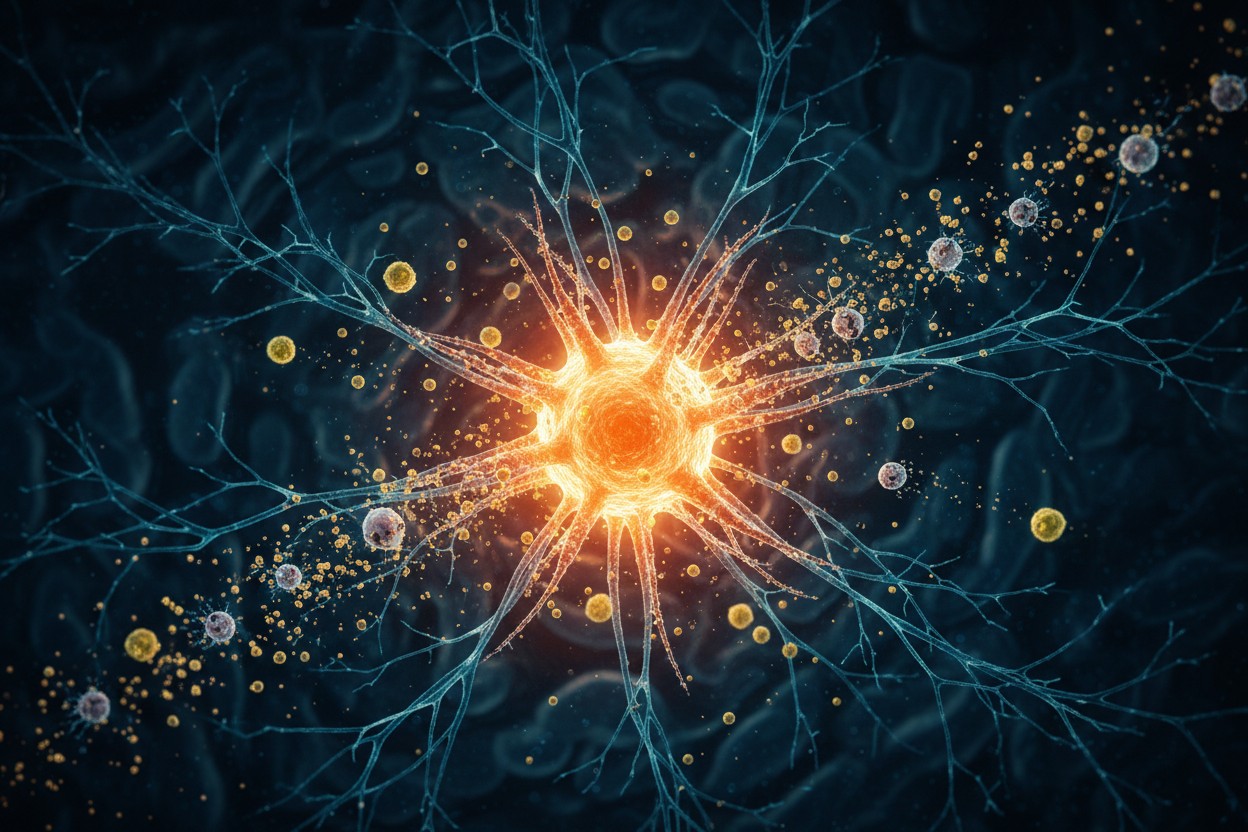
The idea that creatine could influence depression is grounded in the brain’s high energy demands. Creatine helps regenerate adenosine triphosphate (ATP), the primary energy molecule in cells, and approximately 5% of the body’s creatine is stored in the brain, where it contributes to mental energy production, according to research published in 2026 indicating creatine’s influence may extend to mood regulation [1].
Previous studies have linked altered brain creatine metabolism to mood disorders [2], and the Cr/PCr energy buffer system is known to be critical for rapid ATP regeneration in neurons [2]. Creatine may also influence dopamine and serotonin pathways, but the review’s authors emphasized that these connections remain theoretical and that correlations do not prove causation.
Researchers Call for Larger, Longer Studies
The current trials were small, had short durations (none exceeding eight weeks), and included disproportionately more women than men, limiting generalizability. Two studies were judged to have a low risk of bias, while three raised concerns about participant assignment and missing data.
Researchers called for larger clinical trials that extend beyond eight weeks and examine creatine in combination with exercise. Animal studies showing sex differences may explain why positive results were seen only in women.
Nicholas Fabiano, corresponding author and a psychiatry resident at the University of Ottawa, said: “Creatine appears to be a safe intervention. The adverse events we found were limited to mild gastrointestinal discomfort. We cannot yet reliably say that creatine helps with depressive symptoms or if the findings are generalizable to everyone.”
Conclusion
Creatine remains an unproven treatment for depression despite intriguing preliminary signals. Further investigation is needed before creatine can be recommended for mental health use.
Integrative approaches to depression often emphasize addressing root causes through diet and lifestyle rather than isolated supplements [3]. Natural health strategies, including nutrition and exercise, continue to offer safer alternatives to conventional pharmaceutical interventions, according to some experts [4].
References
- NaturalNews.com. “Research Indicates Creatine May Support Cognitive Function Under Stress.” April 26, 2026.
- Elsevier. “Proton magnetic resonance spectroscopic creatine correlates with creatine transporter protein density in rat brain.” Journal of Neuroscience Methods 172 (2008) 215–219.
- Mike Adams. “2025 09 04 BBN Interview with Cohen vs Habib BU .”
- Kenneth Bock. “Brain Inflamed.”
Explainer Infographic
Submit a correction >>
Tagged Under:
alternative medicine, beat depression, Brain, brain function, brain health boost, Censored Science, creatine, depression, depression treatment, health science, mental, Mind, mind body science, natural health, nutrients, research
This article may contain statements that reflect the opinion of the author
RECENT NEWS & ARTICLES